Posted on Leave a comment

Top 10 Benefits of Cricket for All – Fitness, Skills & Life Lessons

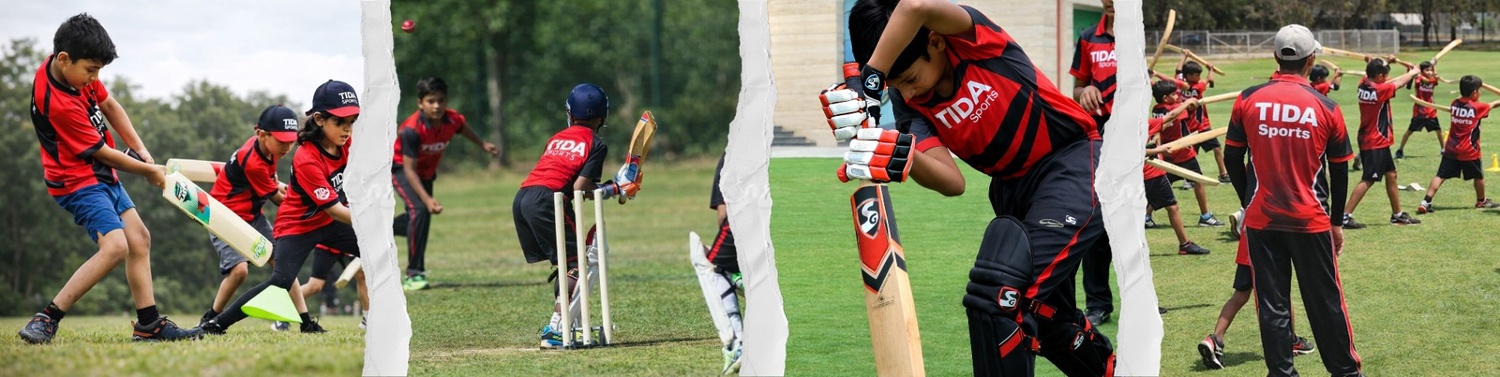
Top 10 Benefits of Cricket

Cricket is one of the most loved sports, especially in countries like India, Australia, and England. Millions of people play cricket in schools, parks, and professional stadiums. The sport is exciting, strategic, and enjoyable for people of all ages.

Cricket is not just about batting and bowling; it offers many physical, mental, and social benefits. Playing cricket regularly helps individuals improve fitness, discipline, teamwork, and confidence.

In this blog, we will explore the top 10 benefits of cricket for all and why it is one of the best sports for overall development.

Top 10 Benefits of Cricket

1. Improves Physical Fitness
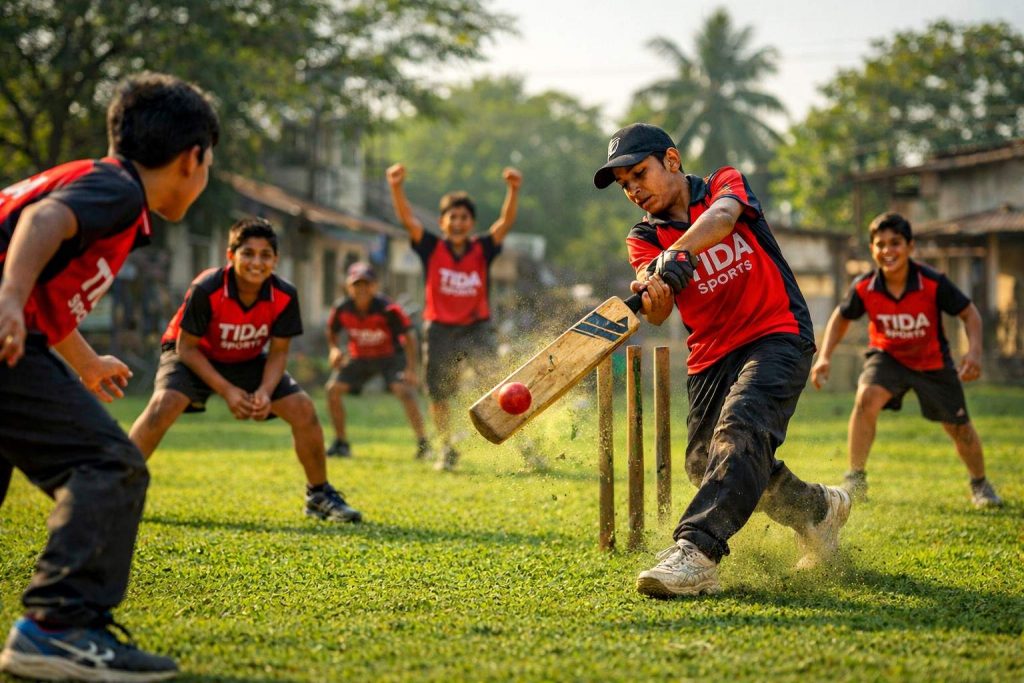
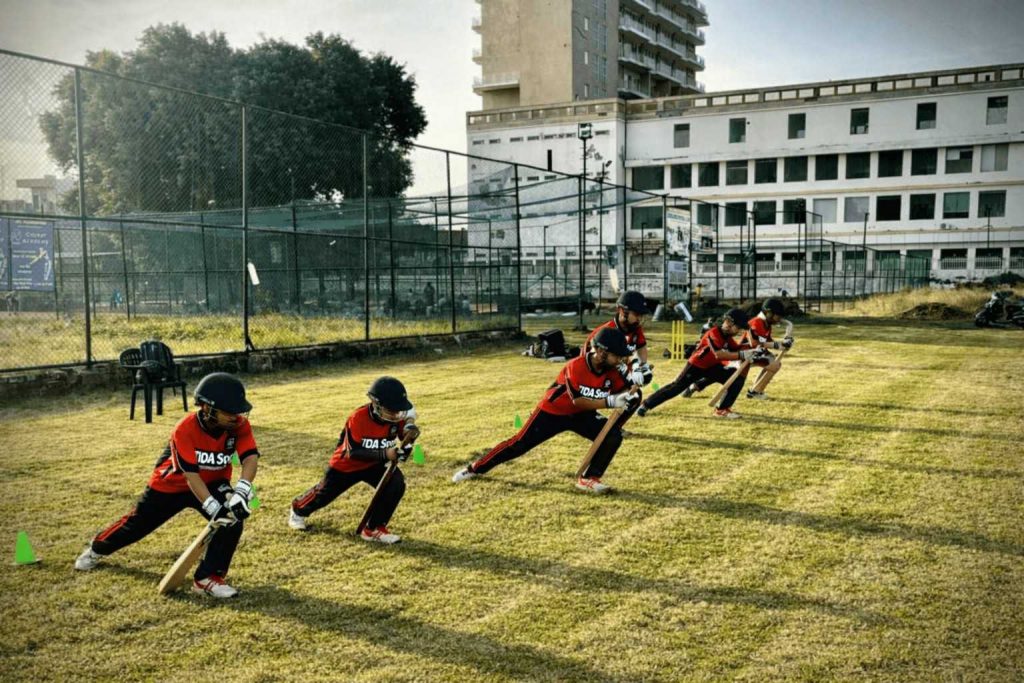
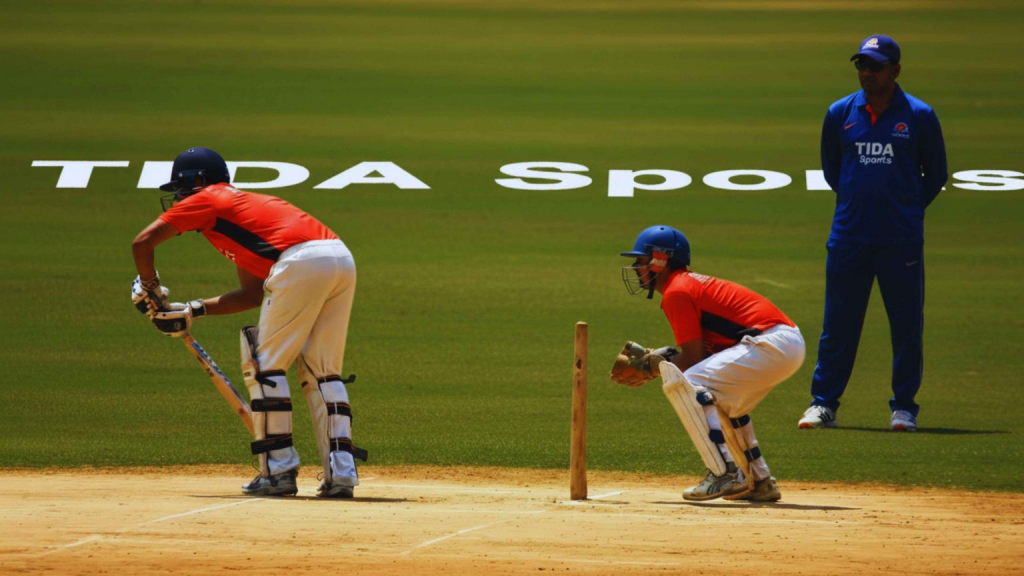
Physical Fitness in Cricket

Cricket involves running, batting, bowling, and fielding. These activities help improve overall physical health.

Regular cricket practice helps to:

  • Increase stamina and endurance
  • Strengthen muscles
  • Improve flexibility and balance
  • Enhance cardiovascular fitness

Playing cricket regularly keeps the body active and healthy.

2. Builds Teamwork Skills

Cricket is a team sport that requires coordination between players. Each player contributes to the team’s success.

Players learn:

  • Communication skills
  • Cooperation with teammates
  • Trust and coordination
  • Team spirit

These teamwork skills are valuable both on and off the field.

3. Improves Concentration and Focus
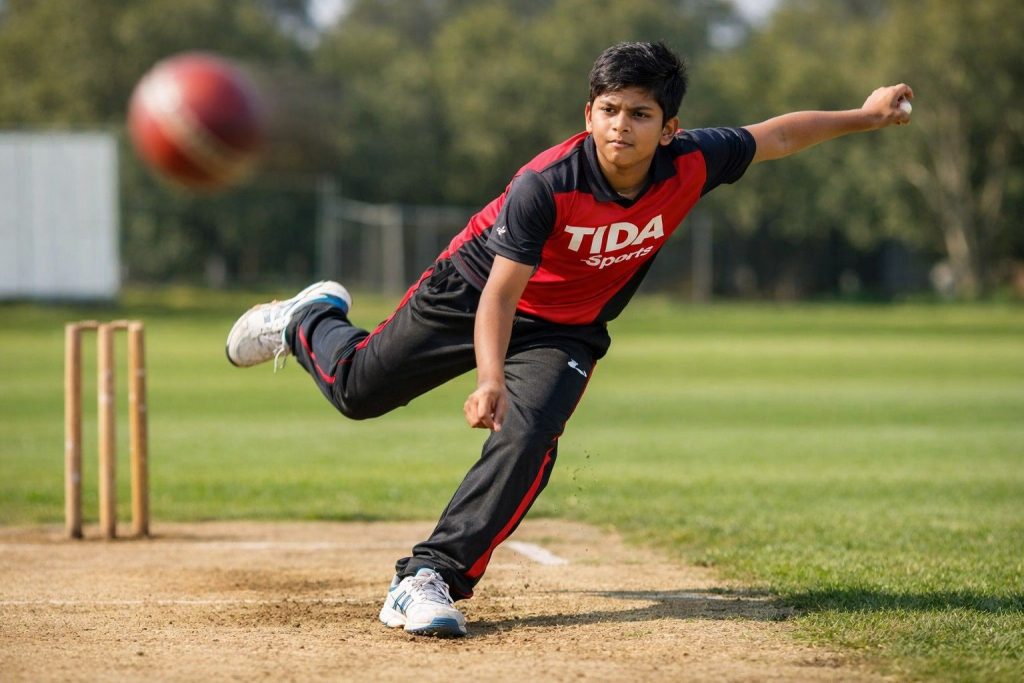
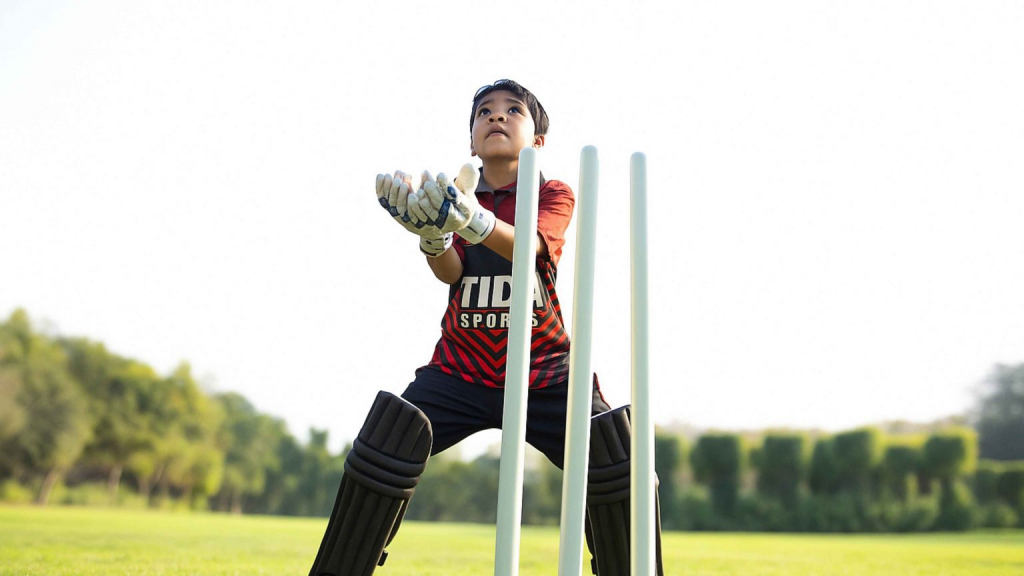
Cricket Improves Concentration and Focus

Cricket requires strong concentration. Batsmen must watch the ball carefully, and fielders must react quickly.

Regular cricket training improves:

  • Mental focus
  • Attention to detail
  • Quick reaction time
  • Strategic thinking

These skills help in academics and daily life as well.

4. Develops Discipline

Cricket players must follow rules, practice regularly, and listen to their coaches. This builds discipline and responsibility.

Discipline learned through cricket helps individuals manage time effectively and stay committed to their goals.

5. Enhances Hand-Eye Coordination

Batting and fielding require excellent hand-eye coordination. Players must judge the speed and direction of the ball quickly.

Regular cricket practice improves:

  • Reaction speed
  • Body coordination
  • Motor skills

These abilities are useful in many other sports and activities.

6. Boosts Confidence

Success in cricket—such as scoring runs, taking wickets, or making a great catch—builds confidence.

Players feel motivated when they improve their skills and contribute to the team. This confidence helps in personal development.

7. Encourages Strategic Thinking
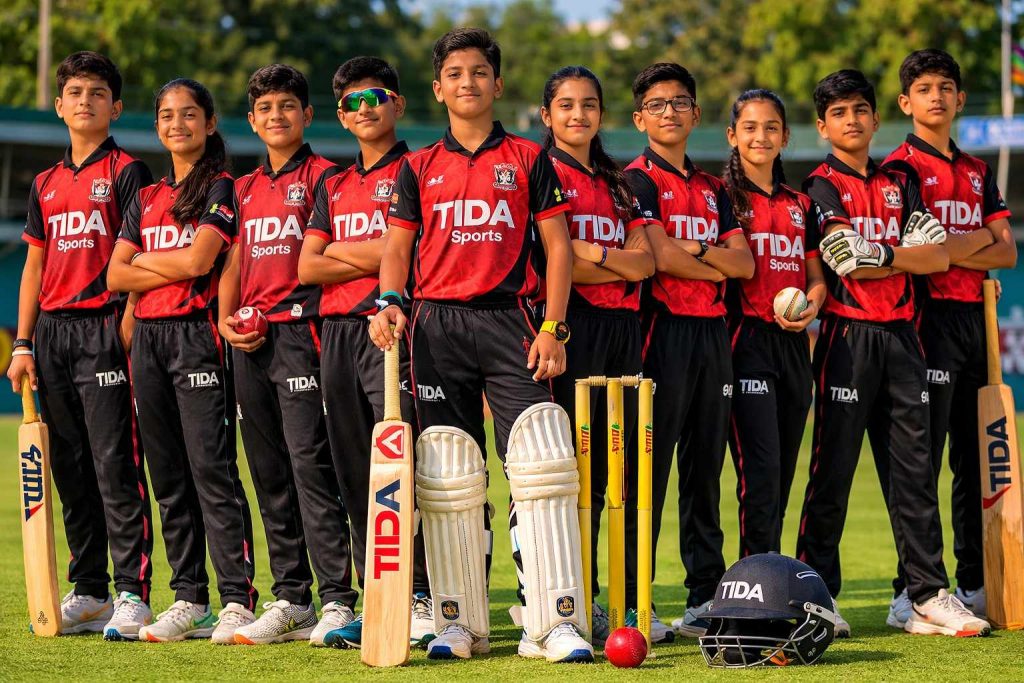
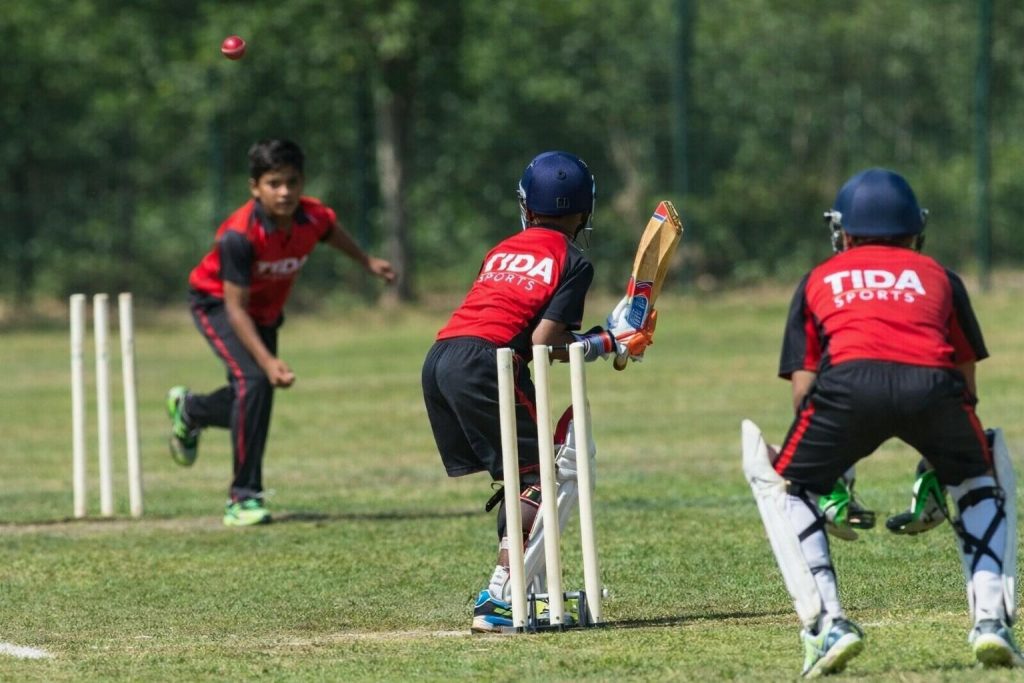
Strategic Thinking in Cricket

Here are some of the best Cricket academies in Punjab : “Best Cricket Academies in Punjab”

Cricket is a game of strategy. Captains and players must plan field placements, bowling changes, and batting tactics.

Players learn to:

  • Analyze situations
  • Make quick decisions
  • Develop game strategies

Strategic thinking is a valuable life skill.

8. Promotes Social Interaction

Cricket brings people together. Players interact with teammates, coaches, and opponents.

Social benefits include:

  • Making new friends
  • Learning sportsmanship
  • Building communication skills
  • Developing teamwork habits

These interactions help build strong relationships.

9. Reduces Stress

Playing cricket is a great way to relax and reduce stress. Physical activity releases endorphins that improve mood and mental health.

Cricket helps players feel happier, more energetic, and mentally refreshed.

10. Encourages an Active Lifestyle

Cricket motivates people to stay active instead of spending too much time on screens or sedentary activities.

Regular cricket practice encourages:

  • Healthy habits
  • Physical activity
  • Outdoor engagement
  • Long-term fitness

This leads to a healthier lifestyle.

Why Cricket Is Great for Kids
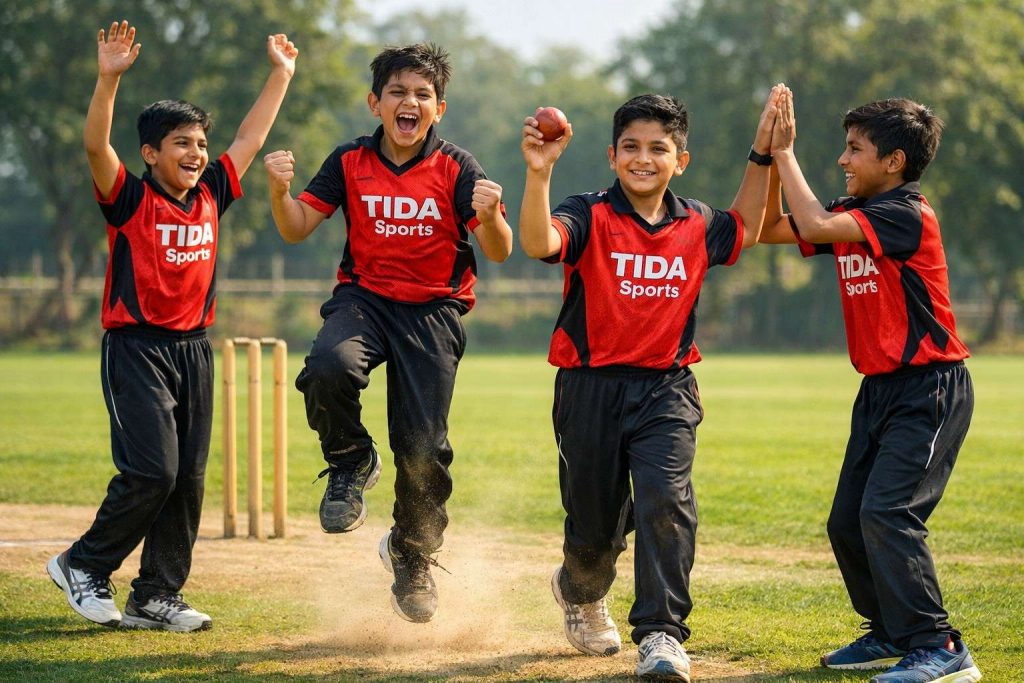
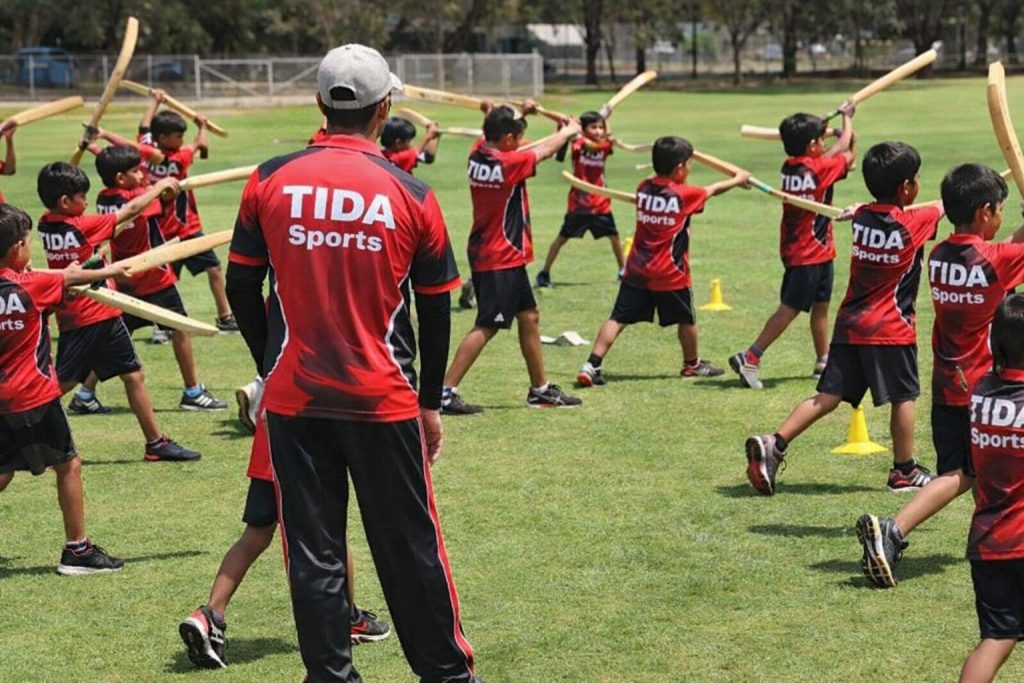
Cricket Is Great for Kids

Here are some of the best Cricket academies in Punjab : “Best Cricket Academies in Punjab”

Cricket is an excellent sport for children because it helps develop both physical and mental skills.

Kids who play cricket often improve:

  • Coordination and balance
  • Confidence and leadership
  • Discipline and teamwork
  • Decision-making skills

Starting cricket at a young age helps children build strong foundations for sports and life.

Tips to Start Playing Cricket

If you want to start playing cricket, follow these simple tips:

  • Practice basic batting and bowling skills
  • Focus on fitness and agility
  • Play regularly with friends or teammates
  • Watch professional matches to learn techniques
  • Train under experienced coaches if possible

Regular practice and dedication help players improve their cricket skills.

Conclusion

Cricket is much more than just a sport. It is an activity that improves physical fitness, mental strength, teamwork, and confidence. People of all ages can benefit from playing cricket regularly.

The top 10 benefits of cricket show why this sport is loved by millions around the world. Whether someone plays for fun, fitness, or competition, cricket offers valuable experiences and life lessons.

FAQ – Benefits of Cricket
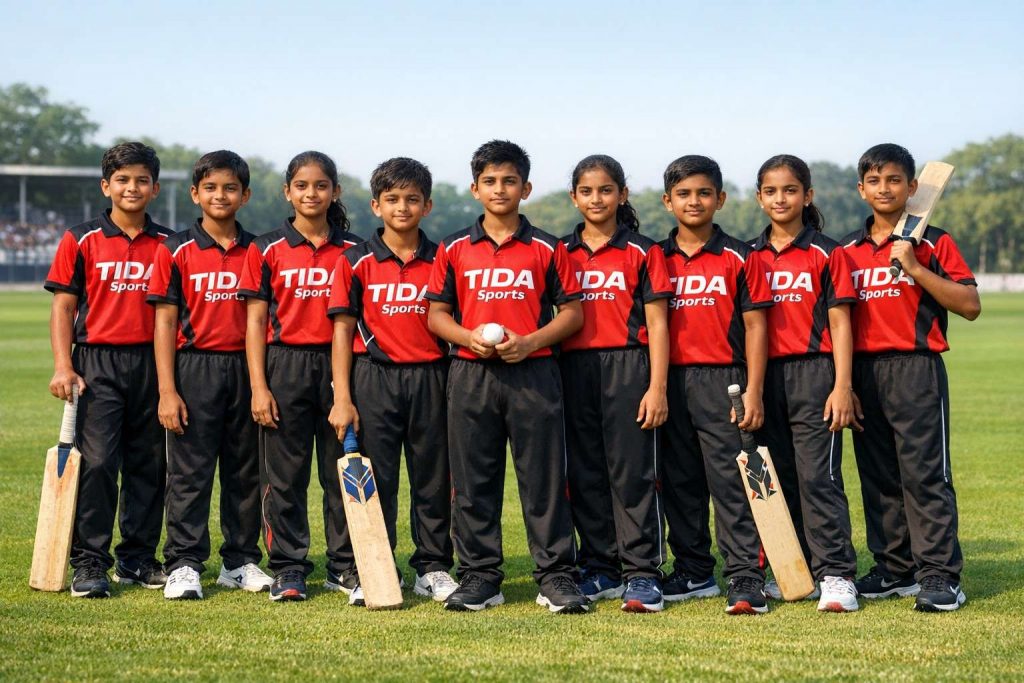
Benefits of Cricket

1. What are the main benefits of cricket?
Cricket improves fitness, teamwork, coordination, focus, and confidence.

2. Is cricket good for kids?
Yes, cricket helps children develop physical fitness, discipline, and teamwork skills.

3. Does cricket improve mental strength?
Yes, cricket requires concentration and strategic thinking, which improves mental abilities.

4. Can cricket help improve fitness?
Yes, running, batting, and fielding improve stamina and overall health.

5. What skills are important in cricket?
Batting, bowling, fielding, coordination, and teamwork are essential skills.

6. Is cricket suitable for beginners?
Yes, beginners can easily learn cricket with regular practice and guidance.

7. Does cricket help reduce stress?
Yes, physical activity and teamwork help improve mood and reduce stress.

8. Can cricket build leadership skills?
Yes, players often take leadership roles and learn decision-making.

9. What age can kids start playing cricket?
Children can start learning cricket basics from around 6 years old.

10. Why is cricket popular worldwide?
Cricket is exciting, strategic, and encourages teamwork and sportsmanship.

Looking to get started?

Visit TIDA sports center, visit TIDA sports website, or learn about academy sports football and athletic director training opportunities today! Let your child grow up with the world’s most popular sports – the right way.
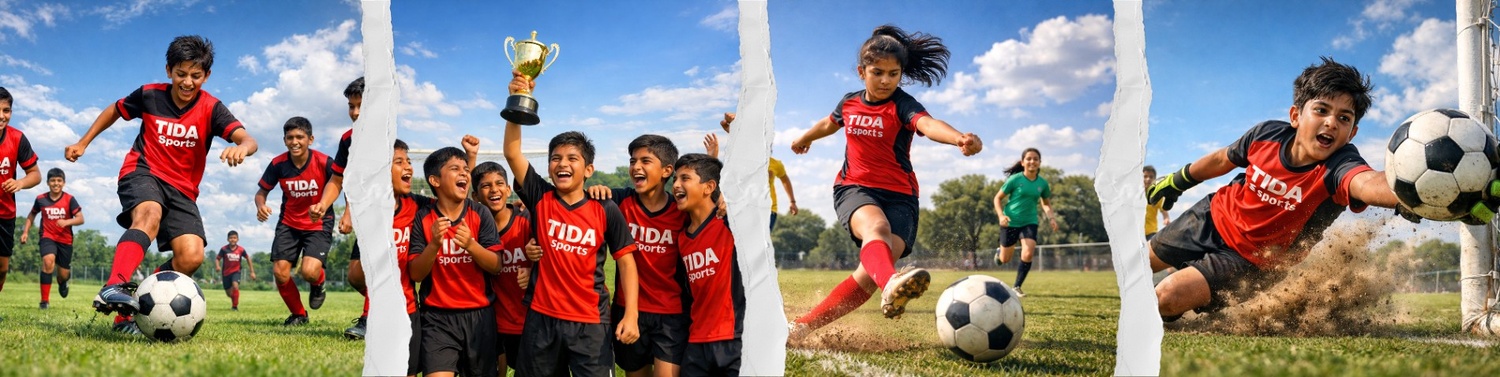
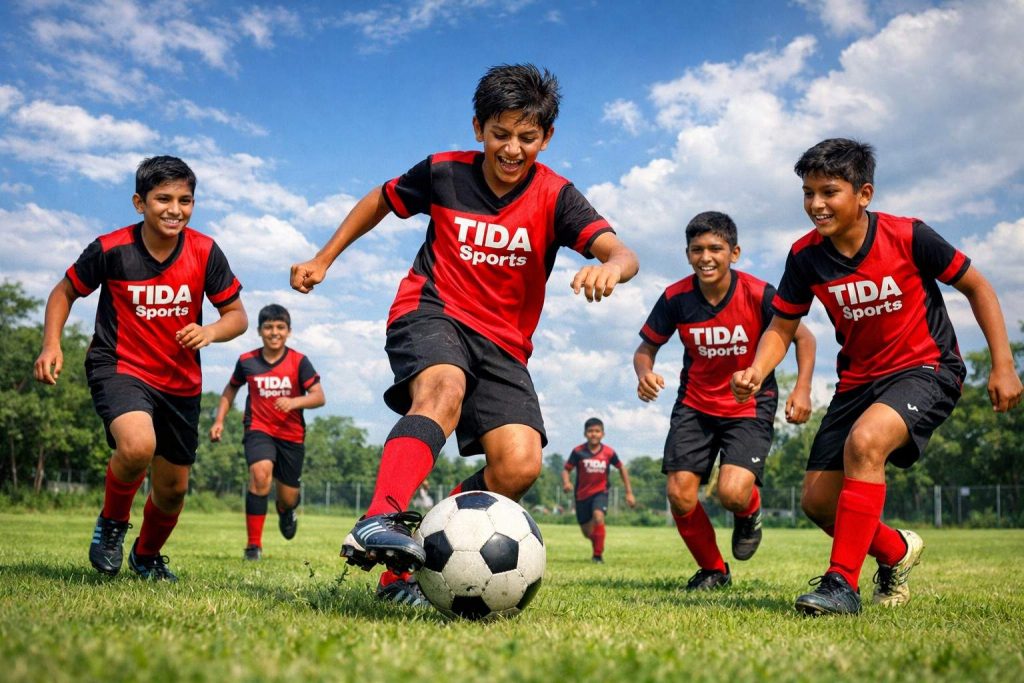
Download App Links:

Posted on Leave a comment

Top 10 Benefits of Football for All – Why Everyone Should Play Football

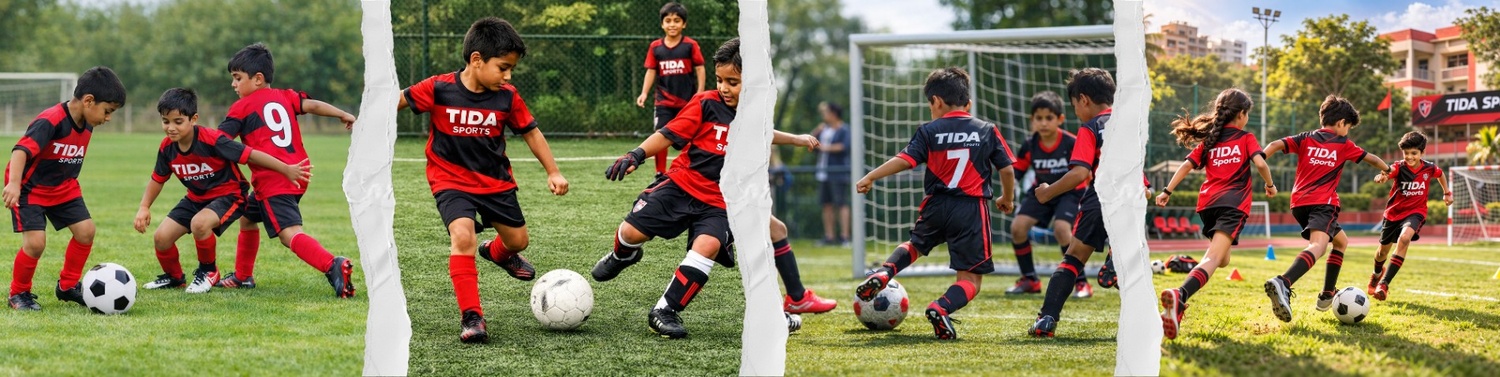
Benefits of Football

Key Points

  • Improves physical fitness and stamina
  • Builds teamwork and leadership skills
  • Develops discipline and focus
  • Boosts confidence and mental strength
  • Encourages an active and healthy lifestyle
  • Helps in child development and social skills

Benefits of Football for All – Kids, Teens, and Adults

Football is one of the most popular sports in the world. Millions of people play football every day in schools, academies, parks, and stadiums. The game is simple, exciting, and full of energy. More importantly, football offers many physical, mental, and social benefits for people of all ages.

Whether you are a child, a teenager, or an adult, playing football regularly can improve your health, confidence, and teamwork skills. Football training also teaches discipline, leadership, and dedication.

Let us explore the major benefits of football and why it is considered one of the best sports for overall development.

1. Improves Physical Fitness

Here are some of the best football academies in India.

Football is a high-energy sport that involves running, jumping, sprinting, and quick movements. Because of this, it helps improve overall physical fitness.

Fitness benefits of football include:

  • Better stamina and endurance
  • Stronger muscles and bones
  • Improved cardiovascular health
  • Increased speed and agility
  • Better coordination and balance

Playing football regularly keeps the body active and healthy.

2. Builds Strong Teamwork Skills

Football is a team sport. Players must work together to score goals and defend their side.

During football matches, players learn:

  • Communication skills
  • Cooperation with teammates
  • Trust and coordination
  • Leadership qualities

Teamwork is an important life skill that helps children succeed not only in sports but also in school and future careers.

3. Develops Discipline and Focus

Discipline and Focus

Here are some of the best football academies in Punjab.

Football training requires regular practice and dedication. Players must listen to their coaches, follow rules, and stay focused during games.

These habits build:

  • Self-discipline
  • Time management
  • Concentration
  • Responsibility

Children who play football often become more organized and focused in other areas of life.

4. Boosts Confidence and Self-Esteem

When players improve their football skills and perform well in matches, their confidence grows.

Scoring a goal, making a good pass, or defending successfully gives players a sense of achievement. Over time, this improves self-esteem and encourages players to take on new challenges.

Football helps children believe in their abilities and develop a positive mindset.

5. Improves Mental Strength

Mental Strength

Football is not just a physical sport; it also requires smart thinking and quick decisions.

Players learn to:

  • Analyze game situations
  • Make fast decisions
  • Stay calm under pressure
  • Solve problems during matches

These skills improve mental strength and decision-making abilities.

6. Encourages Healthy Lifestyle

Playing football regularly encourages an active lifestyle. Instead of spending too much time on screens, children and adults stay active and energetic.

Healthy habits developed through football include:

  • Regular physical activity
  • Better sleep patterns
  • Balanced diet awareness
  • Reduced stress levels

An active lifestyle helps prevent many health problems.

7. Improves Social Skills

Football brings people together. Players interact with teammates, coaches, and opponents, which improves social skills.

Children learn:

  • Respect for others
  • Sportsmanship
  • Cooperation
  • Friendship building

These social skills are important for personal growth and relationships.

8. Helps in Child Development

Child Development

Football is one of the best sports for child development. It improves both physical and mental growth.

Development benefits include:

  • Better motor skills
  • Improved coordination
  • Stronger reflexes
  • Faster reaction time

Football training helps children grow into confident and active individuals.

9. Teaches Leadership Skills

In football, players often take leadership roles on the field. Team captains guide their teammates and motivate them during matches.

Through football, players learn:

  • Decision making
  • Responsibility
  • Motivation
  • Strategic thinking

Leadership skills learned in sports are valuable throughout life.

10. Creates Career Opportunities

For talented players, football can become more than just a hobby. It can open doors to professional opportunities.

Young players can participate in:

  • School football tournaments
  • District and state competitions
  • National football leagues
  • Professional football academies

Structured football training helps players develop the skills needed for competitive sports.

Why Kids Should Start Football Early

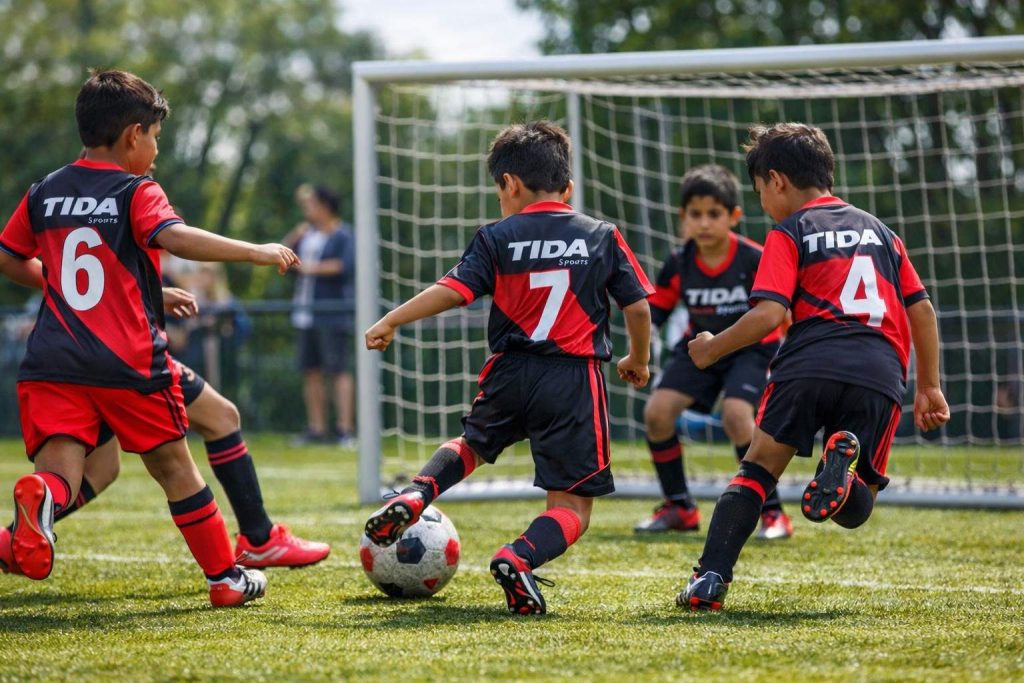
Top 10 Benefits of Football for All

Here are some of the best football academies in Mohali.

Starting football at a young age helps children develop important skills early in life.

Early football training helps kids:

  • Learn basic coordination
  • Develop fitness habits
  • Build discipline
  • Improve teamwork

Many sports experts believe that children can start learning football fundamentals from the age of 5 or 6.

Tips to Get Maximum Benefits from Football

To enjoy the full benefits of football, players should follow some basic tips.

Helpful football tips:

  • Practice regularly
  • Warm up before playing
  • Stay hydrated during games
  • Focus on teamwork
  • Listen to coaches carefully
  • Maintain proper fitness

Consistency and dedication help players improve quickly.

Summary

Football is much more than just a game. It is a powerful sport that improves fitness, confidence, teamwork, and discipline. People of all ages can benefit from playing football regularly.

From physical health to mental strength and social development, football provides many advantages. It encourages an active lifestyle and helps players build valuable life skills.

Whether played for fun, fitness, or competition, football remains one of the best sports for overall development.

FAQ:

1. What are the main benefits of football?

Football improves fitness, teamwork, confidence, and discipline.

2. Is football good for kids?

Yes, football helps improve coordination, fitness, and social skills.

3. What age can children start playing football?

Children can start learning football basics from 5–6 years old.

4. Does football improve stamina?

Yes, football involves continuous movement which improves stamina and endurance.

5. Can football help in weight loss?

Yes, football burns calories and helps maintain a healthy body weight.

6. Is football safe for beginners?

Yes, with proper coaching and safety measures.

7. Does football improve mental health?

Yes, it reduces stress and improves mood.

8. Can football improve teamwork skills?

Yes, teamwork is one of the most important aspects of football.

9. Is football good for fitness?

Yes, football improves cardiovascular health, strength, and agility.

10. Why is football popular worldwide?

Football is simple, exciting, and easy to play almost anywhere.

Looking to get started?

Visit TIDA sports center, visit TIDA sports website, or learn about academy sports football and athletic director training opportunities today! Let your child grow up with the world’s most popular sports – the right way.
Download App Links:

Posted on Leave a comment

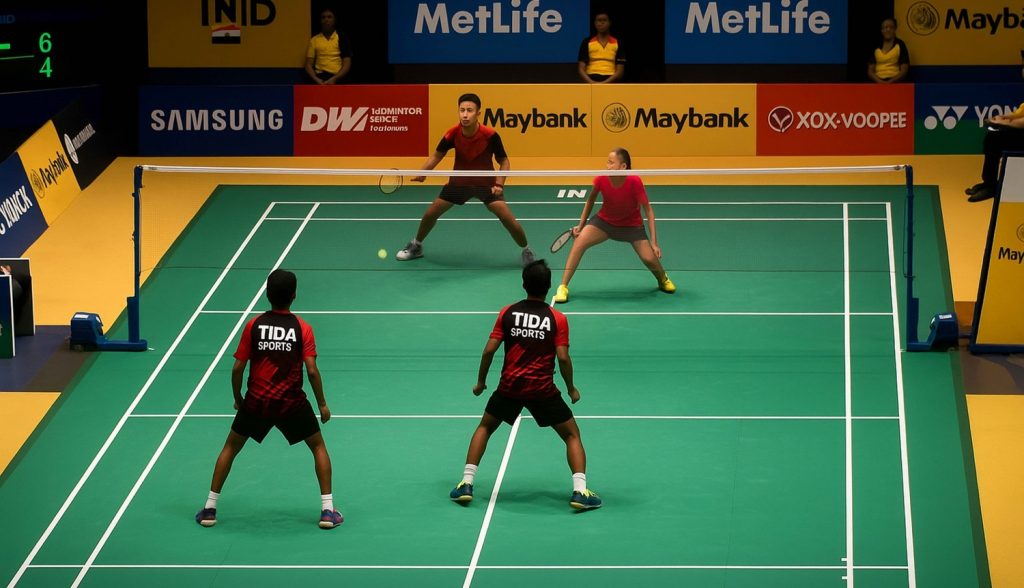
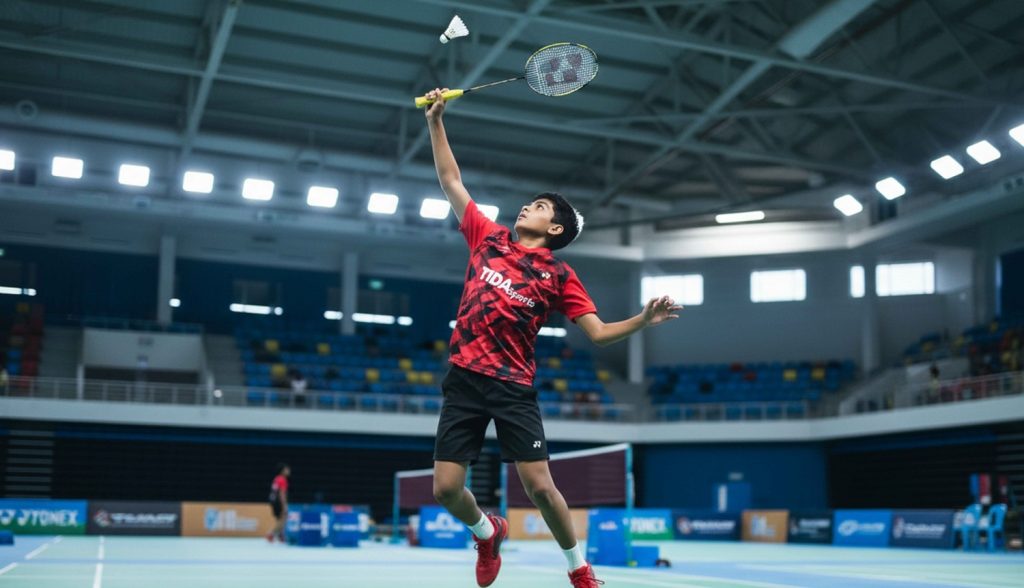
TIDA Sports Badminton Academy – Complete Training Guide

Badminton Academies in India

Key Points

  • Structured badminton training for kids and beginners
  • Professional badminton coaching and skill development
  • Fitness, agility, and footwork training programs
  • Safe and supportive learning environment for children
  • Opportunities for competitions and performance growth
  • Designed for long-term athlete development

TIDA Sports Badminton Academy – Complete Training Guide

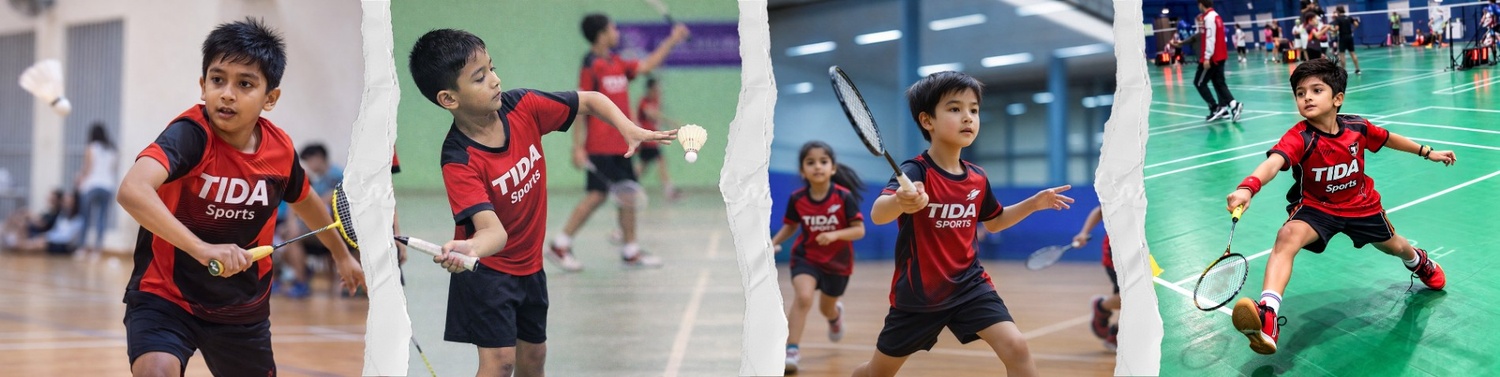
Badminton is one of the fastest growing sports in India. Many parents today want their children to learn badminton not just as a hobby but as a professional sport. Proper coaching and structured training play a very important role in developing strong badminton skills.

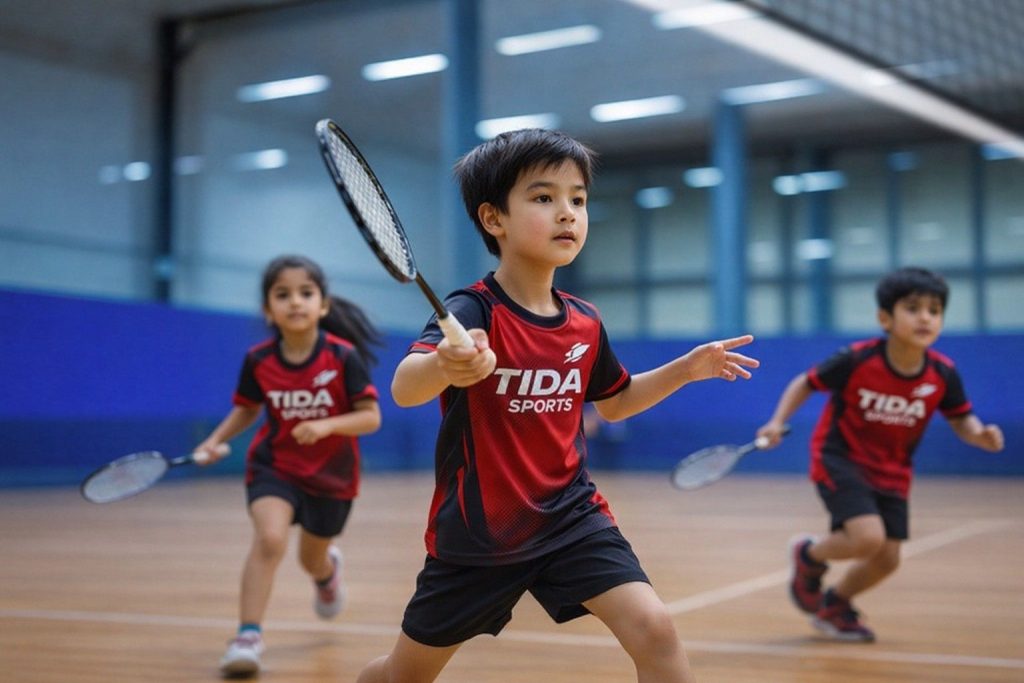
The TIDA Sports Badminton Academy is designed to help kids learn badminton step by step. With a focus on technique, fitness, discipline, and confidence, the academy provides a complete training pathway for beginners, intermediate players, and advanced learners.

This complete training guide explains how badminton coaching works, what skills are taught, and why structured training is important for young athletes.

Why Badminton Training Is Important for Kids

Badminton Training

Badminton is not only a fun sport but also a powerful tool for physical and mental development.

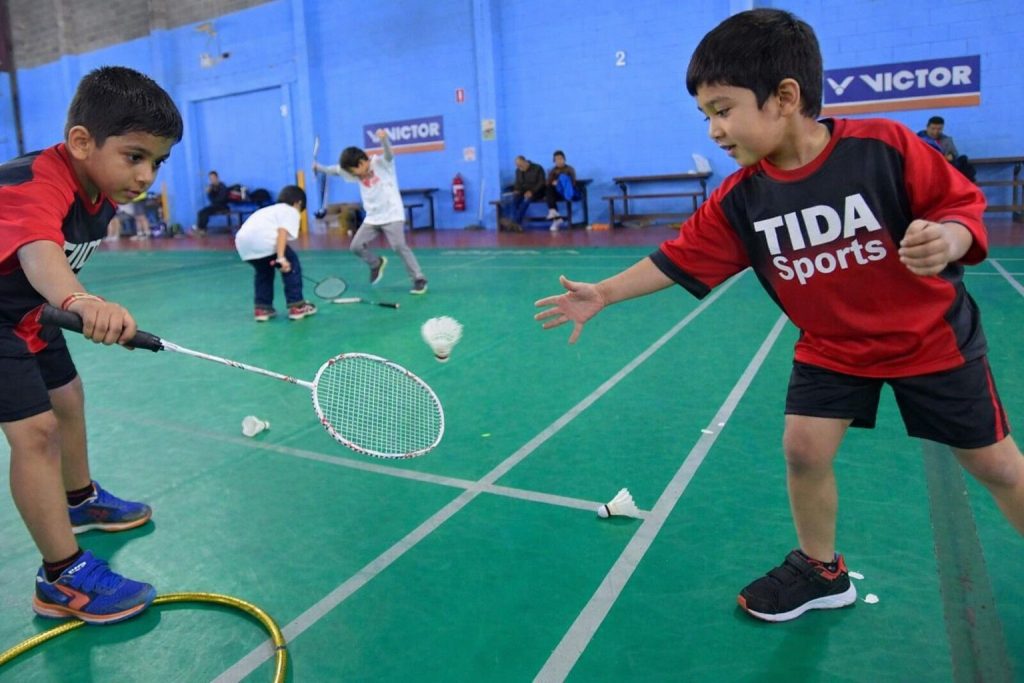
Children who participate in badminton training improve their coordination, stamina, and focus. The sport requires quick movements, sharp reflexes, and strong concentration, which helps in overall child development.

At a professional badminton academy, kids learn:

  • Discipline and teamwork
  • Confidence and leadership
  • Physical fitness and agility
  • Strategic thinking during matches

Structured badminton training also helps young players develop competitive skills and sportsmanship.

Training Structure at TIDA Sports Badminton Academy

A professional training structure helps players improve step by step. At the TIDA Sports Badminton Academy, training sessions focus on skill development, fitness training, and match practice.

Basic Training Stages

Beginner Level

  • Learning correct grip
  • Basic racket control
  • Simple footwork drills
  • Introduction to basic shots

Intermediate Level

  • Improved footwork patterns
  • Smash and drop shot training
  • Defensive techniques
  • Game strategy basics

Advanced Level

  • Match simulations
  • Competitive training drills
  • Speed and agility workouts
  • Tournament preparation

This step-by-step development helps players improve confidently.

Important Badminton Skills Taught

Important Badminton Skills

Badminton is a technical sport. Learning the correct skills early is very important.

Key Skills Developed

  • Proper racket grip
  • Correct body posture
  • Accurate shuttle control
  • Fast footwork movement
  • Strong smash technique
  • Defensive blocking skills
  • Net play and drop shots

Professional coaching ensures players develop these skills correctly.

Footwork Training in Badminton

Footwork is one of the most important elements in badminton. Without proper movement on the court, even talented players struggle to perform well.

Badminton footwork training focuses on quick steps, balance, and speed.

Footwork Drills Include

  • Ladder drills for agility
  • Shadow badminton practice
  • Direction change drills
  • Speed movement training

These drills help players reach the shuttle faster and return shots effectively.

Fitness Training for Badminton Players

Fitness Training for Badminton Players

Badminton requires strong stamina, flexibility, and strength. Fitness training is an essential part of the program.

Fitness Activities

  • Warm-up exercises
  • Strength training
  • Endurance workouts
  • Jump training for smashes
  • Stretching and flexibility exercises

Good physical conditioning helps players avoid injuries and perform better in matches.

Benefits of Joining TIDA Sports Badminton Academy

Joining a structured badminton academy gives young athletes many advantages.

Major Benefits

  • Professional badminton coaching
  • Structured training curriculum
  • Safe and motivating environment
  • Skill development for all levels
  • Fitness and agility training
  • Opportunities for competitive exposure

These benefits help young players grow both physically and mentally.

Badminton Training for Different Age Groups

Children of different ages require different training approaches.

Training Age Groups

4–7 Years

  • Basic coordination games
  • Simple racket activities
  • Fun skill development

8–12 Years

  • Fundamental badminton techniques
  • Footwork development
  • Fitness and agility training

13–16 Years

  • Advanced techniques
  • Competitive practice
  • Tournament preparation

This age-based training ensures proper development for every player.

Common Mistakes Beginners Should Avoid

Common Mistakes in Badminton

Many beginners make small mistakes that slow down their progress.

Mistakes to Avoid

  • Holding the racket incorrectly
  • Standing too straight during play
  • Ignoring footwork practice
  • Hitting the shuttle too hard without control
  • Skipping warm-up exercises

Correcting these mistakes early helps players improve faster.

Importance of Consistent Practice

Consistency is the key to success in badminton.

Players should practice regularly and focus on improving small skills every day. Even short daily practice sessions can make a big difference over time.

Parents should encourage children to stay motivated and enjoy the learning process.

Future Opportunities in Badminton

Badminton offers exciting opportunities for young athletes.

Players who train consistently can participate in:

  • School tournaments
  • District competitions
  • State championships
  • National level events

Structured badminton academies help players build a strong pathway toward competitive sports.

Summary

TIDA Sports Badminton Academy

Badminton is an exciting sport that builds fitness, confidence, and discipline in children. With structured coaching and professional guidance, young athletes can learn the sport safely and effectively.

The TIDA Sports Badminton Academy provides a complete training pathway that focuses on skill development, fitness, and competitive growth. Through proper coaching, structured practice, and consistent training, children can develop strong badminton skills and enjoy long-term success in sports.

FAQ:

1. What is the best age to start badminton training?

Children can start badminton training from 5–6 years of age.

2. Is badminton good for kids?

Yes, badminton improves fitness, coordination, and concentration.

3. How often should kids practice badminton?

Practicing 3–4 times per week is ideal for steady improvement.

4. What equipment is needed for badminton training?

Players need a badminton racket, shuttlecocks, sports shoes, and comfortable sportswear.

5. Can beginners join a badminton academy?

Yes, beginners can join and start learning basic techniques.

6. How long does it take to learn badminton basics?

With regular practice, basic skills can be learned within 2–3 months.

7. Does badminton training improve fitness?

Yes, badminton improves stamina, speed, and agility.

8. Can kids compete in badminton tournaments?

Yes, academies often prepare players for school and district tournaments.

9. Why is footwork important in badminton?

Footwork helps players reach the shuttle quickly and maintain balance.

10. What makes a good badminton academy?

Professional coaching, structured training programs, and a safe learning environment.

Looking to get started?

Visit TIDA sports center, visit TIDA sports website, or learn about academy sports football and athletic director training opportunities today! Let your child grow up with the world’s most popular sports – the right way.
Download App Links:

Posted on Leave a comment

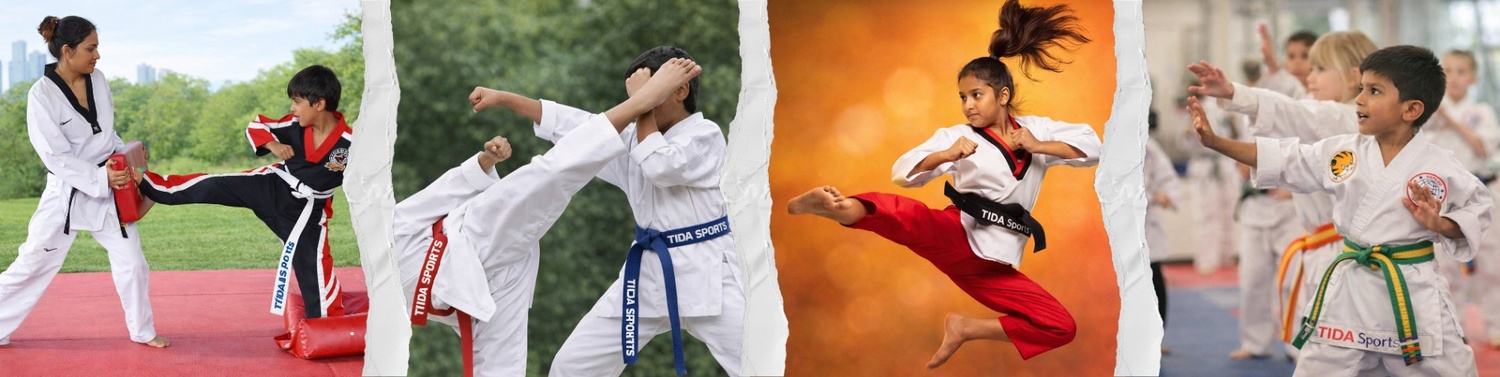
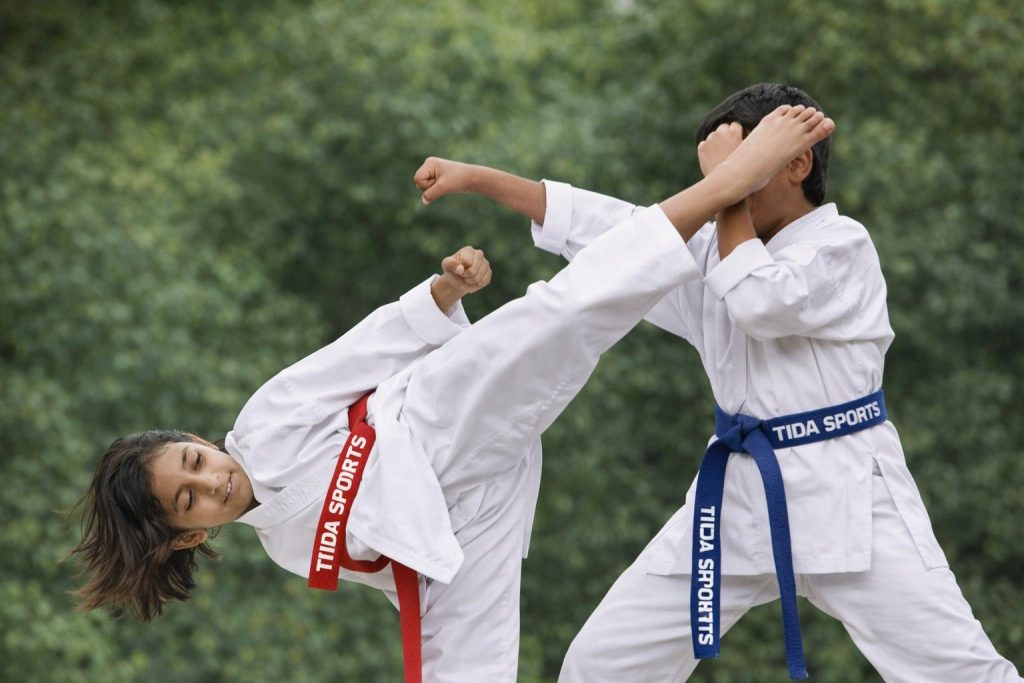
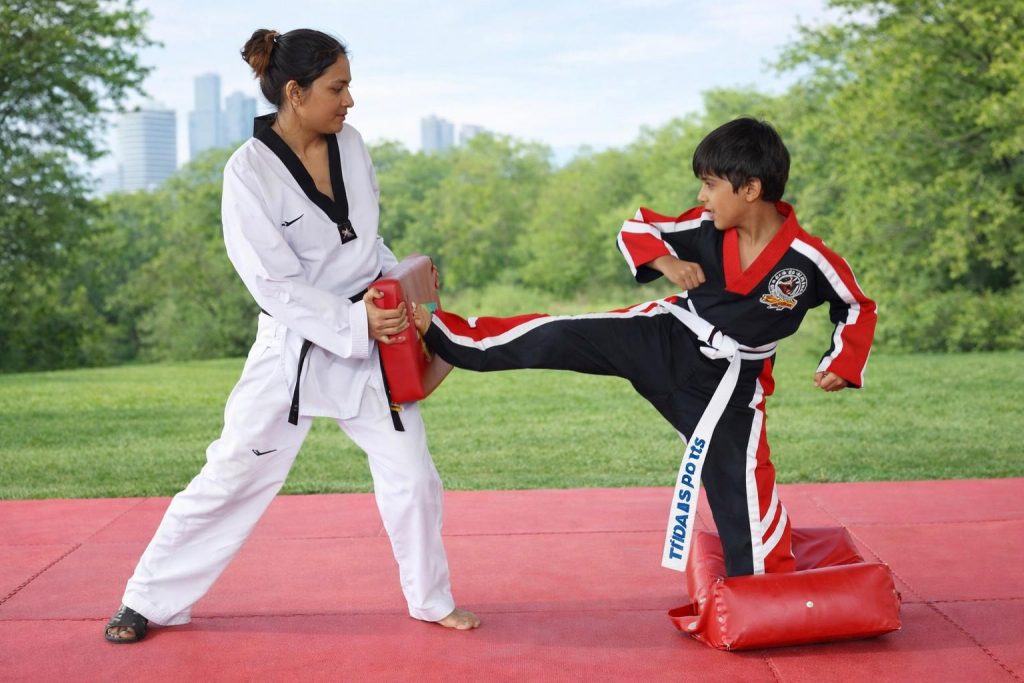
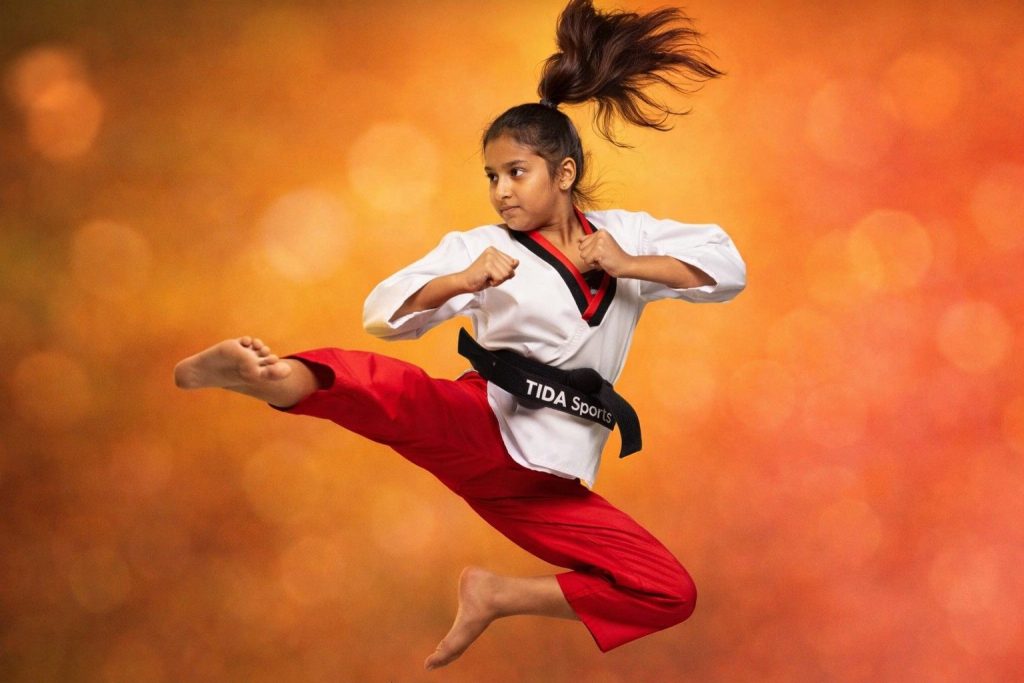
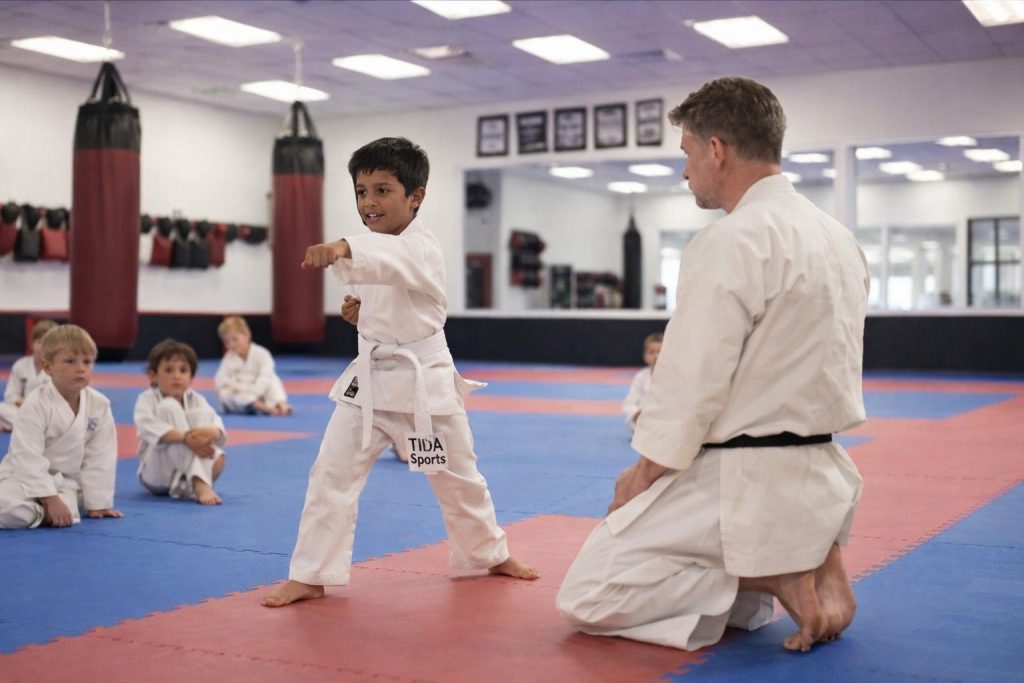
Martial Arts Tips for Beginners & Kids – Complete Guide

Martial Arts

Quick Key Points

  • Master basic stance and balance
  • Focus on discipline and respect
  • Practice self-defense techniques correctly
  • Improve flexibility and strength
  • Train consistently with proper guidance
  • Develop mental focus and confidence

Martial arts is more than just punches and kicks. It is about discipline, focus, respect, and self-defense. Whether you are learning karate, taekwondo, or mixed martial arts, following the right martial arts tips can help you grow faster and safer.

In 2026, more kids and beginners are joining martial arts classes to improve fitness, confidence, and self-protection skills. This guide shares simple and powerful tips for beginners, kids, and intermediate learners.

1. Start with Strong Basics

Every martial arts style begins with fundamentals.

Focus on:

  • Proper stance
  • Balance control
  • Correct hand position
  • Guard protection

Strong basics create powerful advanced skills later.

2. Learn Proper Breathing Technique

Best Martial arts tips

Here are some of the best martial arts academies: “Best Martial Arts Academies”

Breathing is very important in martial arts training. Correct breathing improves stamina and power.

  • Exhale while striking
  • Inhale while preparing
  • Maintain calm breathing during sparring

Controlled breathing improves performance and reduces fatigue.

3. Practice Discipline Daily

Martial arts builds character. Respect for coaches and training partners is essential.

  • Always bow before entering training area
  • Follow instructions carefully
  • Arrive on time
  • Wear proper uniform

Discipline improves not just martial arts skills but also school performance and personal growth.

4. Improve Flexibility and Strength

Improve Flexibility and Strength

Flexibility helps in high kicks and smooth movement. Strength builds powerful strikes.

Add these exercises:

  • Stretching before and after training
  • Push-ups and squats
  • Core exercises
  • Light cardio workouts

Balanced fitness improves martial arts performance.

5. Focus on Self-Defense Skills

Self-defense is one of the main reasons parents enroll children in martial arts classes.

Learn:

  • Blocking techniques
  • Escape technique
  • Basic counter-attacks
  • Awareness skills

Proper training improves safety and confidence.

6. Train With Proper Technique, Not Speed

Many beginners try to move fast without learning correct form.

Remember:

Here are some of the best martial arts academies: “Best Martial Arts Academies”

  • Accuracy is more important than speed
  • Technique is more important than power
  • Slow practice builds correct habits

Perfect practice makes perfect performance.

7. Build Mental Strength

Martial arts improves mental focus and emotional control.

To stay mentally strong:

  • Stay calm during sparring
  • Accept mistakes and improve
  • Avoid anger and aggression
  • Focus on learning

Mental control is a true sign of martial arts mastery.

8. Follow Structured Training

Structured Training

A proper martial arts training program includes:

  • Warm-up exercises
  • Technique practice
  • Partner drills
  • Fitness training
  • Cool-down stretching

Structured classes ensure safe and steady progress.

9. Stay Consistent

Consistency is the key to success in martial arts.

  • Practice regularly
  • Revise techniques at home
  • Attend classes without skipping
  • Set small goals

Regular practice leads to belt promotions and skill improvement.

10. Choose the Right Martial Arts Academy

Good coaching makes a big difference.

Look for:

  • Certified instructors
  • Safe training environment
  • Age-appropriate batches
  • Structured curriculum

Professional martial arts coaching ensures long-term development.

Benefits of Martial Arts for Kids

Martial arts training offers multiple benefits:

  • Improves physical fitness
  • Builds self-confidence
  • Teaches discipline and respect
  • Enhances concentration
  • Develops leadership skills

Parents in India are increasingly choosing martial arts training for children to ensure holistic development.

Common Mistakes to Avoid

Common Mistakes to Avoid

  • Skipping warm-ups
  • Ignoring stretching
  • Training without supervision
  • Practicing wrong techniques repeatedly
  • Comparing progress with others

Avoiding these mistakes keeps training safe and effective.

Final Thoughts

Martial arts is not just about fighting. It is about building a strong body, focused mind, and confident personality. With the right martial arts tips, beginners and kids can grow steadily and safely.

Train smart, stay disciplined, and focus on improvement every day. Success in martial arts comes with patience and consistent effort.

FAQ : Martial Arts Tips

1. What are the best martial arts tips for beginners?

Focus on stance, balance, discipline, breathing, and correct technique.

2. At what age can kids start martial arts?

Children can start basic martial arts training from 4–6 years.

3. Is martial arts safe for kids?

Yes, with proper supervision and structured training.

4. Which martial art is best for self-defense?

Karate and taekwondo are popular choices for beginners.

5. How often should I train martial arts?

2–4 times per week is ideal for beginners.

6. Does martial arts improve confidence?

Yes, it builds self-esteem and mental strength.

7. Do I need special equipment for martial arts?

Basic uniform and protective gear are usually required.

8. How long does it take to earn a belt?

It depends on training consistency and skill improvement.

9. Can martial arts help with fitness?

Yes, it improves strength, flexibility, and stamina.

10. Is martial arts good for discipline?

Absolutely. Discipline is a core value of martial arts training.

Looking to get started?

Visit TIDA sports center, visit TIDA sports website, or learn about academy sports football and athletic director training opportunities today! Let your child grow up with the world’s most popular sports – the right way.
Download App Links:

Posted on Leave a comment

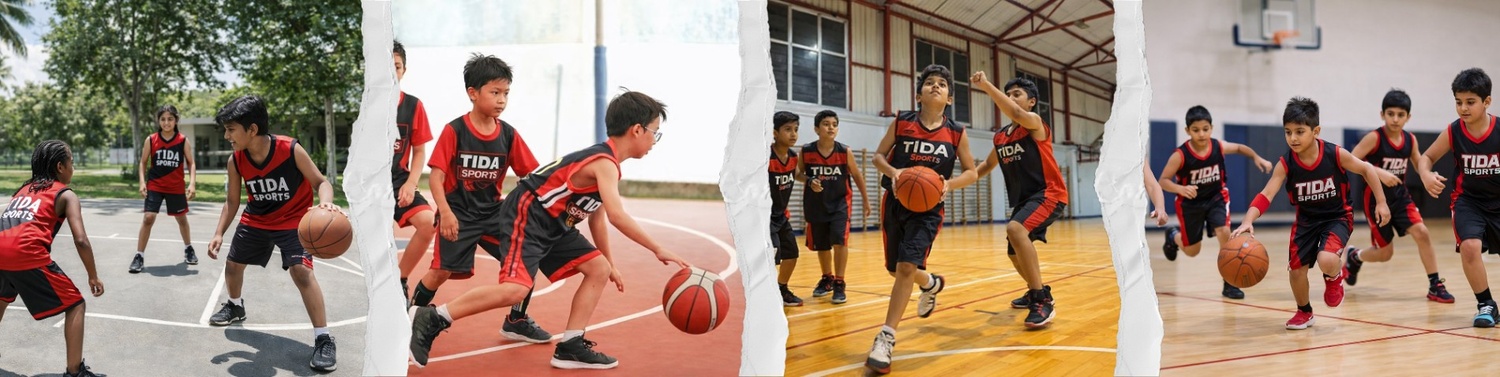
Basketball Tips for All – Beginner to Advanced Players

Basketball Tips

Key Points (Quick Overview)

  • Learn correct dribbling techniques
  • Improve shooting accuracy step by step
  • Build strong defense skills
  • Increase stamina and speed
  • Understand teamwork and communication
  • Practice daily with smart drills

Basketball Tips for All – From Beginners to Pro Level

Basketball is one of the most exciting and fast-growing sports in India. Whether you are a beginner, a school player, or training at a professional basketball academy, learning the right basketball tips can completely change your performance.

In this 2026 guide, we will share simple and powerful basketball tips for beginners, kids, and advanced players. These tips focus on skill development, confidence building, and game understanding.

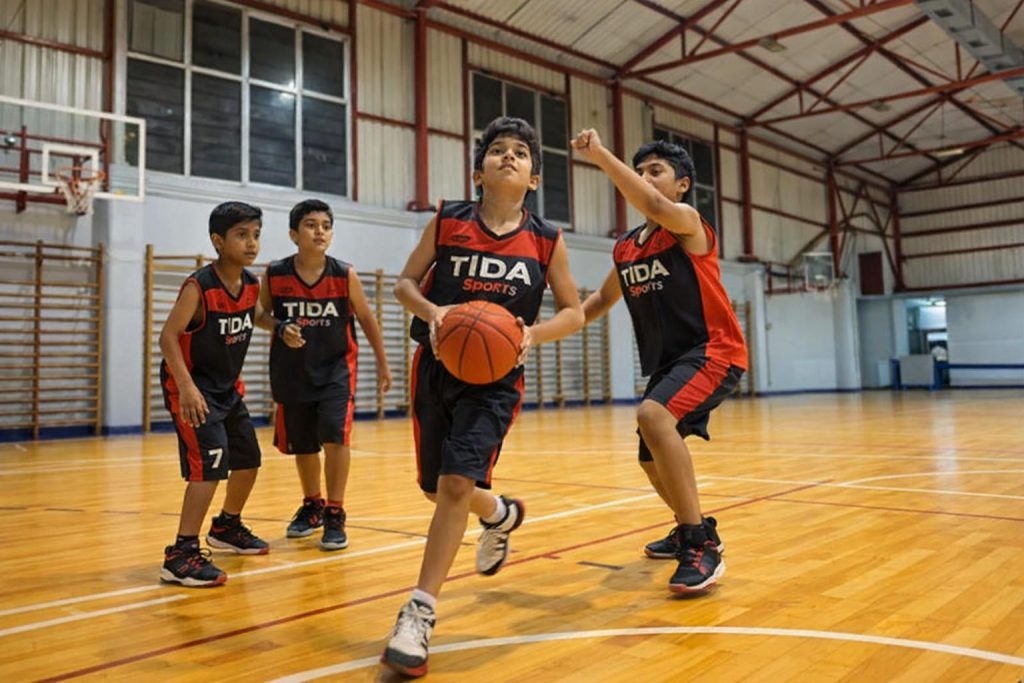
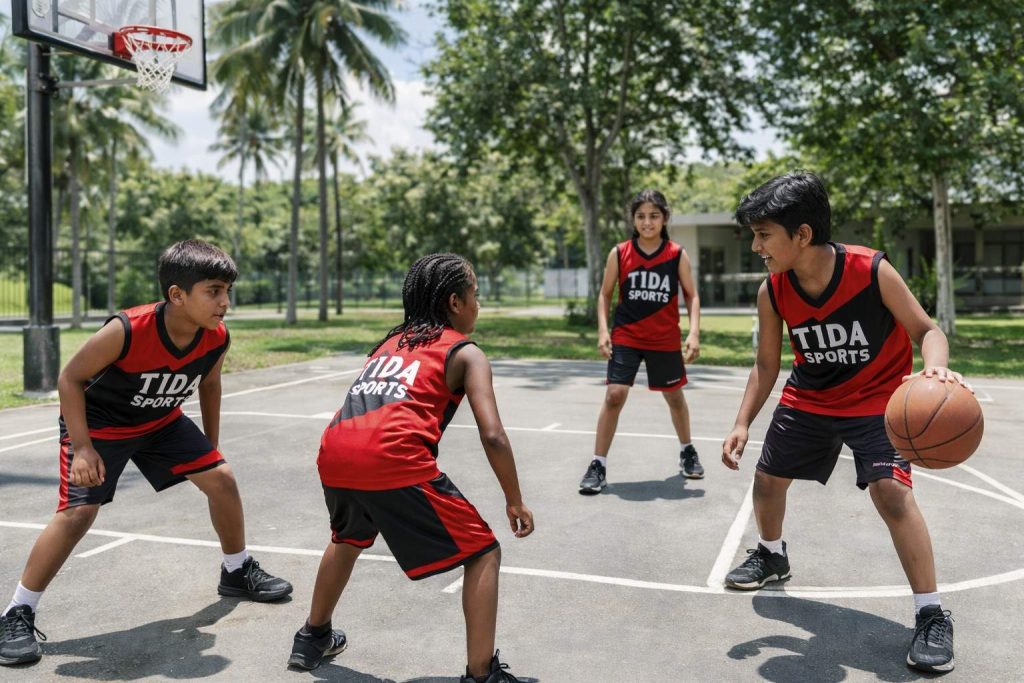
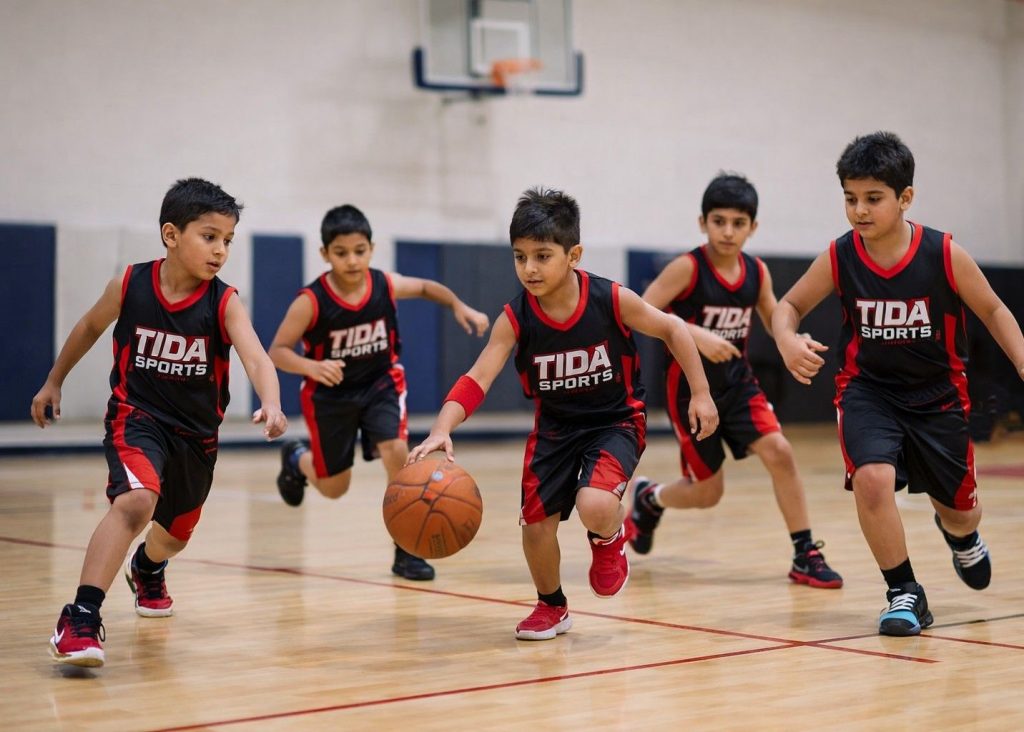
Here are some of the best basketball academies in Punjab: “Best Basketball Academies in Punjab”

best basketball academies in Punjab

1. Master Basic Dribbling First

Dribbling is the foundation of basketball. Without strong ball control, it becomes difficult to attack or defend.

Tips to Improve Dribbling:

  • Use your fingertips, not your palm
  • Keep your knees slightly bent
  • Practice with both hands
  • Keep your head up while dribbling

Daily practice for 15–20 minutes improves ball control quickly. Many basketball academies focus heavily on weak-hand dribbling to build complete players.

2. Focus on Proper Shooting Technique

Shooting wins matches. But correct form is more important than power.

Basic Shooting Formula:

  • Balance your body
  • Keep elbow straight
  • Follow through after release
  • Aim at the back of the rim

Start practicing close-range shots before moving to 3-point shooting. Young players often rush into long shots without mastering basics.

Consistent shooting practice improves accuracy and confidence.

3. Improve Your Defense Skills

Defense Skills in Basketball

Great defense makes you valuable in any team. Even if your scoring is low, strong defense keeps you on the court.

Defensive Tips:

  • Stay low and balanced
  • Keep active hands
  • Watch opponent’s waist, not the ball
  • Communicate with teammates

Defense requires discipline and focus. Good coaches always train players on positioning and reaction speed.

4. Build Stamina and Fitness

Basketball is a fast game. Players run, jump, and change direction quickly.

To improve stamina:

  • Do skipping for 5–10 minutes daily
  • Practice shuttle runs
  • Add strength exercises like squats and lunges
  • Maintain proper hydration

Strong fitness improves speed, vertical jump, and overall performance.

Here are some of the best basketball academies in India: “Best Basketball Academies in India”

5. Work on Passing & Teamwork

Basketball is not an individual sport. Passing at the right time creates scoring chances.

Types of Basic Passes:

  • Chest pass
  • Bounce pass
  • Overhead pass

Learn to move without the ball. Communication and teamwork are essential for winning matches.

6. Understand Game IQ

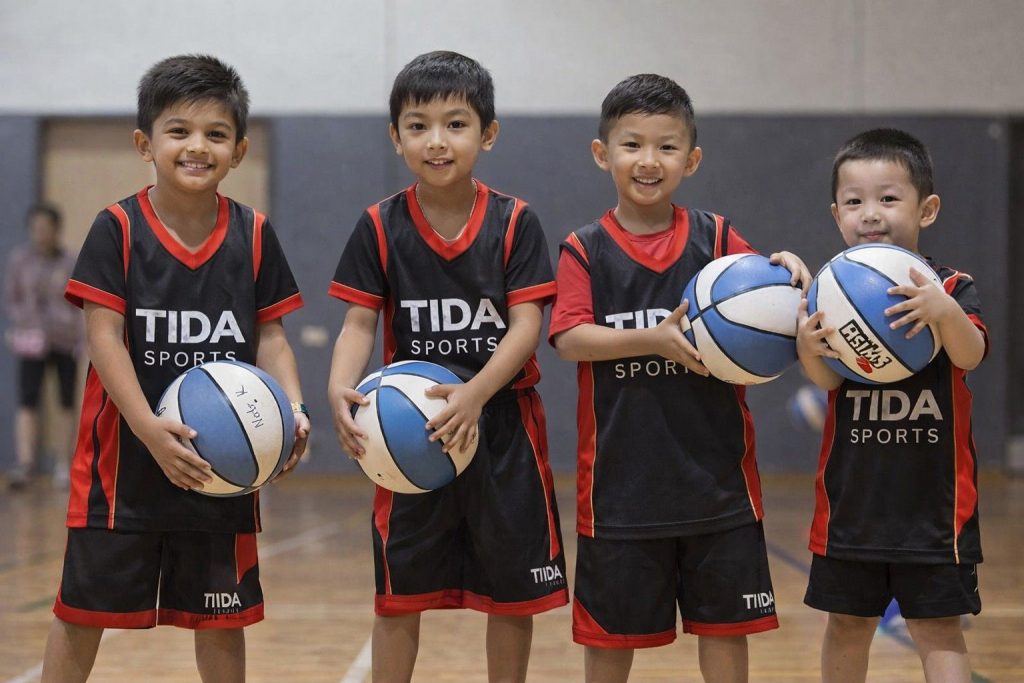
Kids playing basketball

Smart players think before acting. Game awareness separates good players from great ones.

Improve your basketball IQ by:

  • Watching professional matches
  • Learning offensive and defensive formations
  • Understanding spacing and timing
  • Listening carefully to your coach

The more you understand the game, the faster your growth will be.

7. Practice Footwork Daily

Footwork improves balance, defense, and shooting stability.

Key drills:

  • Ladder drills
  • Pivot practice
  • Jump-stop practice
  • Defensive slides

Strong footwork helps prevent injuries and improves overall movement on the court.

8. Stay Mentally Strong

Basketball is both physical and mental. Sometimes you miss shots or lose matches.

To stay mentally strong:

  • Focus on improvement, not mistakes
  • Stay positive during matches
  • Accept feedback from coaches
  • Practice visualization techniques

Confidence grows with preparation.

9. Follow Proper Training Structure

Unstructured practice slows growth. A structured basketball training program ensures:

  • Warm-up and mobility exercises
  • Skill drills
  • Game situation practice
  • Fitness training
  • Cool down and recovery

Professional basketball academies follow planned sessions for faster player development.

10. Practice Consistency Over Intensity

Practicing 30 minutes daily is better than 3 hours once a week.

Success in basketball comes from:

  • Regular training
  • Discipline
  • Proper guidance
  • Smart recovery

Consistency builds long-term improvement.

Basketball Academies

Here are some of the best basketball academies in Mohali: “Best Basketball Academies in Mohali”

Common Mistakes to Avoid

  • Ignoring defense
  • Playing only for scoring
  • Not practicing weak hand
  • Skipping warm-ups
  • Comparing yourself to others

Avoiding these mistakes helps players grow faster and safer.

Why Early Training Matters for Kids

Starting basketball at a young age improves:

  • Coordination
  • Confidence
  • Discipline
  • Social skills
  • Leadership qualities

Parents should look for structured basketball training programs that focus on safety, skill development, and long-term growth.

Final Thoughts

Basketball success is not about height alone. It is about dedication, smart training, and the right basketball tips.

Whether you are a beginner or aiming for professional level, focus on basics, stay consistent, and train under experienced coaches. With the right approach, any player can improve and shine on the court in 2026 and beyond.

FAQBest Basketball Tips

1. What are the best basketball tips for beginners?

Focus on dribbling, basic shooting form, defense positioning, and regular practice.

2. How many hours should I practice basketball daily?

30–60 minutes of focused practice is enough for beginners.

3. Is basketball good for kids?

Yes, basketball improves fitness, teamwork, confidence, and discipline.

4. How can I improve my shooting accuracy?

Practice close-range shots daily and focus on proper shooting form.

5. What age is best to start basketball training?

Kids can start basic basketball training from 6–8 years.

6. How do I increase my stamina for basketball?

Do cardio exercises, shuttle runs, and strength training regularly.

7. Is joining a basketball academy necessary?

Structured basketball training helps improve faster with proper guidance.

8. How important is defense in basketball?

Defense is extremely important and helps players stay valuable in matches.

9. Can short players succeed in basketball?

Yes, speed, skill, and smart gameplay matter more than height alone.

10. What equipment is required for basketball practice?

A good basketball, comfortable shoes, and a safe court are essential.

Looking to get started?

Visit TIDA sports center, visit TIDA sports website, or learn about academy sports football and athletic director training opportunities today! Let your child grow up with the world’s most popular sports – the right way.
Download App Links:

Posted on Leave a comment

Skating Tips for Beginners & Kids – Training and Safety Guide

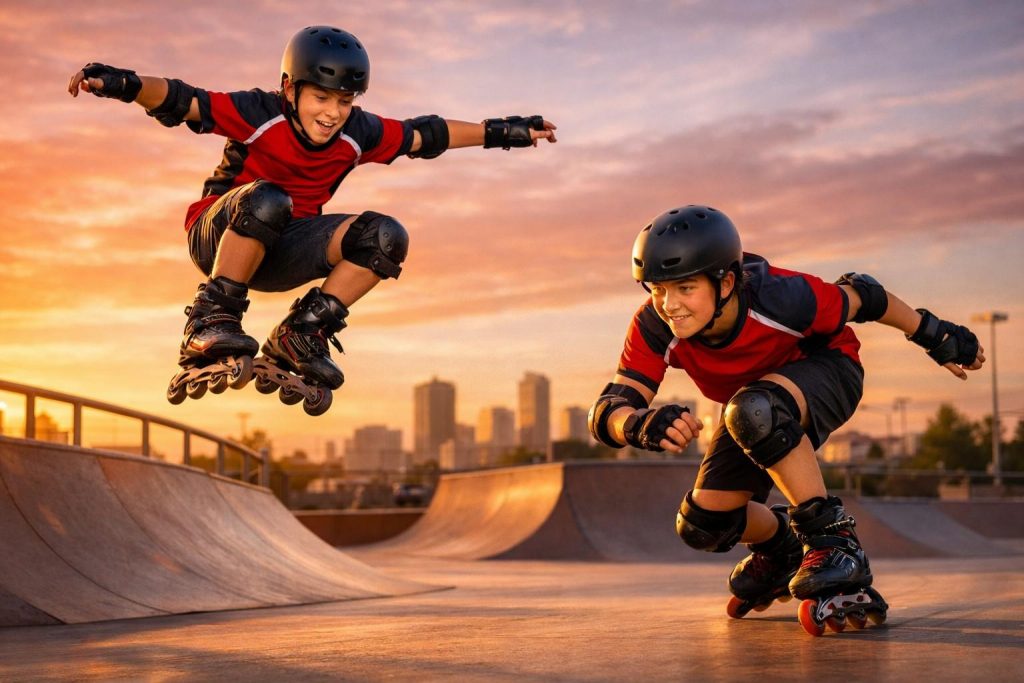
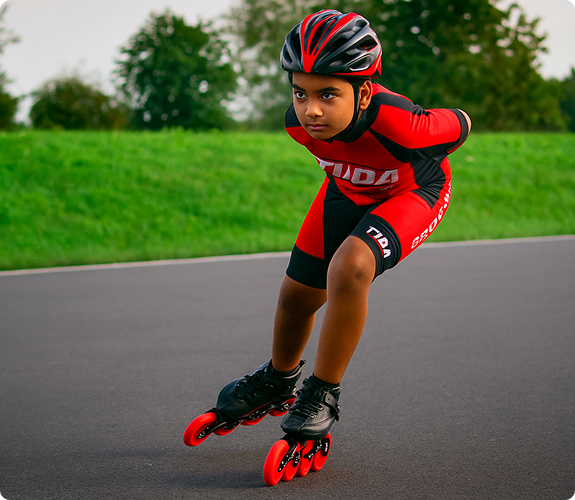
Skating Tips

Skating is one of the most exciting and fast-growing sports in India. It improves balance, coordination, strength, and confidence. Whether your child is just starting or already learning advanced moves, following the right skating tips helps improve skills safely and quickly.

In 2026, structured skating training focuses on technique, safety, and step-by-step progress. From roller skating to inline skating, proper guidance makes a big difference in performance and injury prevention.

These skating tips are helpful for beginners, kids, and even intermediate players.

Basic Skating Tips for Beginners

Starting with the right foundation is very important. Beginners should focus on balance and control before speed.

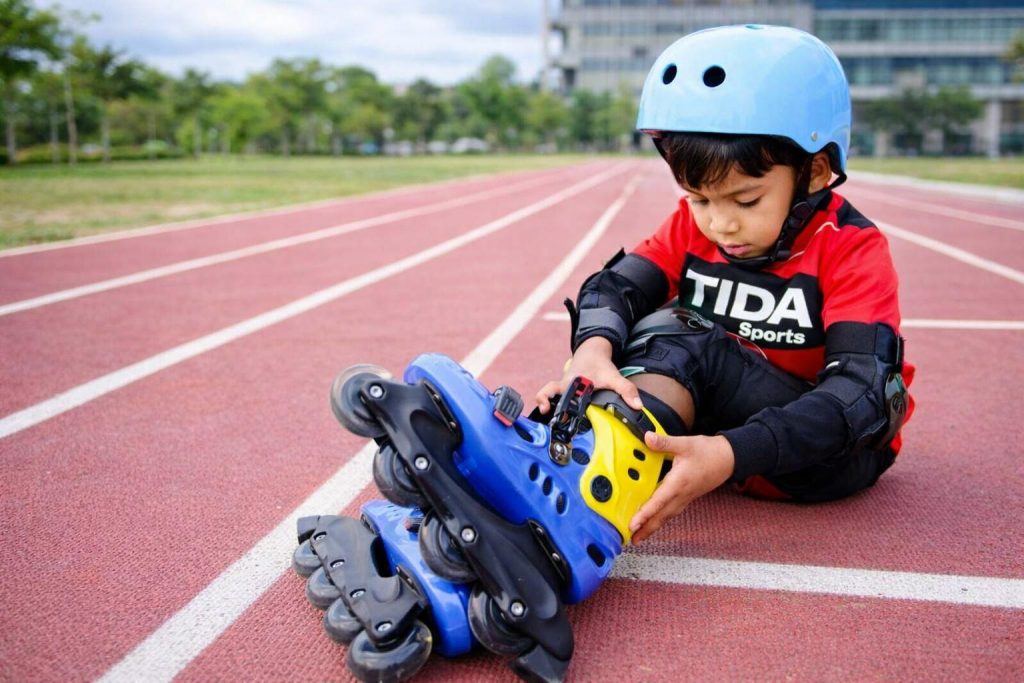
Skating Tips for Beginners

Here are some of the finest Skating academies in Punjab: “Best Skating Academies in Punjab”

Essential Beginner Skating Tips

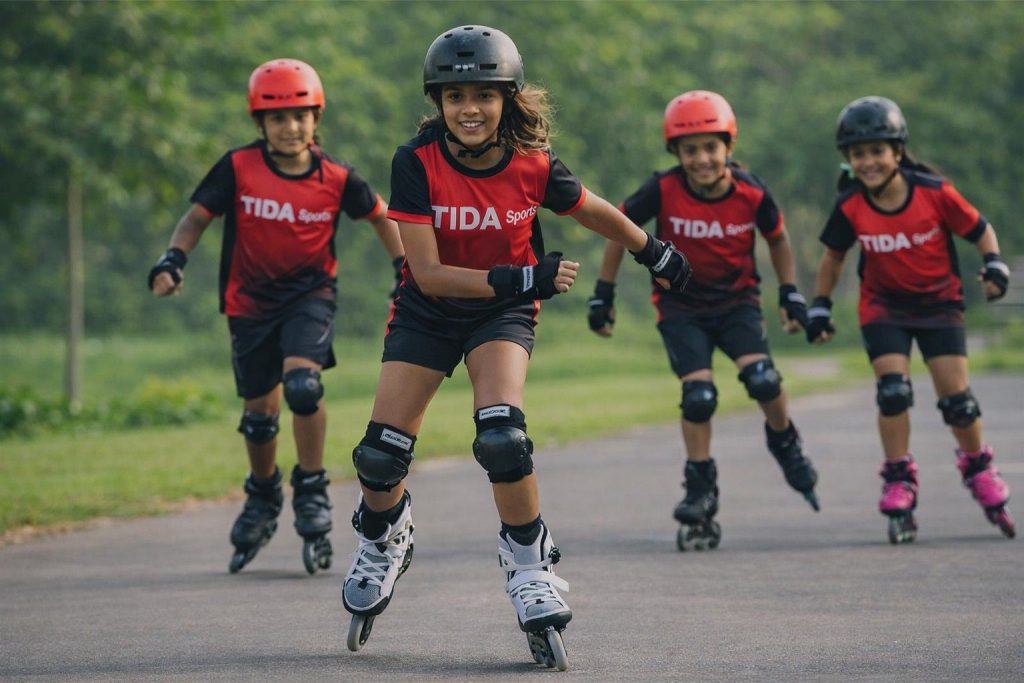
  • Always wear helmet and safety guards
  • Keep knees slightly bent
  • Maintain straight back posture
  • Look forward, not down
  • Take small and controlled steps
  • Practice on smooth and safe surfaces

Building confidence slowly is better than rushing into fast skating.

Balance Tips for Better Stability

Balance is the most important skill in skating. Without proper balance, learning advanced skills becomes difficult.

Improve Balance with These Tips

  • Practice standing on skates daily
  • Shift weight from one leg to another
  • Keep arms slightly open for support
  • Strengthen core muscles
  • Practice one-leg balance drills

Good balance helps reduce falls and improves overall control.

Speed Control Tips

Speed Control Tips in Skating

Many beginners make the mistake of skating too fast without learning how to stop properly.

Smart Speed Control Tips

  • Learn proper braking techniques
  • Practice slow gliding first
  • Avoid leaning too far forward
  • Stay relaxed while moving
  • Use gradual push instead of strong kicks

Controlling speed increases safety and confidence.

Turning and Stopping Tips

Turning and stopping are basic skills every skater must master.

Tips

  • Bend knees slightly
  • Lean gently in the direction of turn
  • Use small circular movements
  • Practice wide turns before sharp turns

Stopping Tips

  • Learn heel brake method
  • Practice T-stop technique
  • Reduce speed before stopping
  • Stay balanced while braking

Mastering these skills improves safety during skating sessions.

Skating Fitness Tips

Skating requires strong legs, stamina, and flexibility. Fitness training improves performance.

Skating Fitness Tips

Fitness Improvement Tips

  • Do stretching before skating
  • Practice leg strengthening exercises
  • Improve stamina with light running
  • Train core muscles regularly
  • Stay hydrated during practice
  • Eat balanced nutritious meals

Better fitness helps skaters skate longer without getting tired.

Skating Fitness Tips

Skating requires strong legs, stamina, and flexibility. Fitness training improves performance.

Here are some of the finest Skating academies in India: “Best Skating Academies in India”

Fitness Improvement Tips

  • Do stretching before skating
  • Practice leg strengthening exercises
  • Improve stamina with light running
  • Train core muscles regularly
  • Stay hydrated during practice
  • Eat balanced nutritious meals

Better fitness helps skaters skate longer without getting tired.

Advanced Skating Tips

For intermediate and advanced skaters, skill development becomes more technical.

Training Tips

  • Practice crossovers
  • Improve backward skating
  • Train for speed skating
  • Work on quick direction changes
  • Prepare for competitions
  • Analyze performance regularly

Advanced drills improve agility and competitive readiness.

Advanced Skating Tips

For intermediate and advanced skaters, skill development becomes more technical.

Training Tips

  • Practice crossovers
  • Improve backward skating
  • Train for speed skating
  • Work on quick direction changes
  • Prepare for competitions
  • Analyze performance regularly

Advanced drills improve agility and competitive readiness.

Common Mistakes to Avoid

Avoiding small mistakes can speed up improvement.

Mistakes to Avoid

  • Skipping warm-up
  • Wearing loose safety gear
  • Leaning too much forward
  • Ignoring balance practice
  • Practicing without supervision
  • Skating on rough surfaces

Correcting these mistakes builds strong skating skills.

Benefits of Structured Skating Training

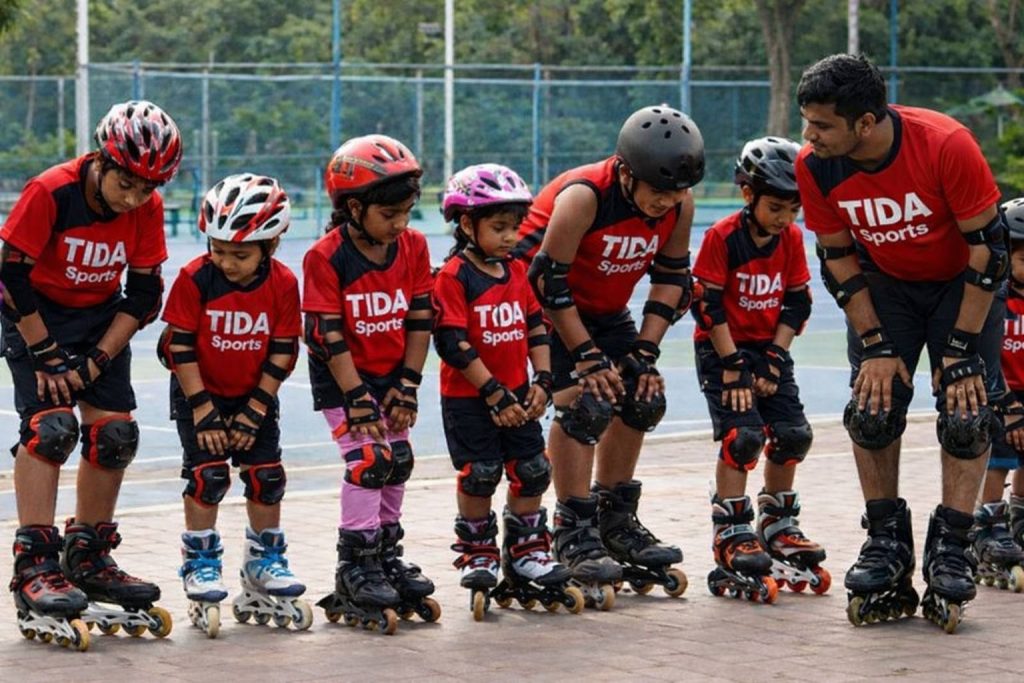
Structured skating training programs focus on systematic skill development. Professional coaching ensures:

  • Step-by-step progress
  • Safety supervision
  • Proper technique correction
  • Performance tracking
  • Competition preparation

In 2026, organized skating academies in India are focusing more on structured learning and long-term athlete development.

Final Thoughts

Skating Classes in Mohali

Skating tips for beginners and kids focus on balance, control, safety, fitness, and consistent practice. Whether your child wants to skate for fun or prepare for competitions, structured skating training makes the journey safer and more effective.

With the right coaching, proper safety measures, and regular practice, skating becomes a powerful sport for physical fitness, confidence, and discipline. Step-by-step improvement is the real secret to becoming a strong and confident skater.

FAQ

1. At what age can kids start skating?

Kids can start skating from 4–5 years old with proper safety gear.

2. Is skating safe for children?

Yes, with protective equipment and supervision, skating is safe.

3. How often should kids practice skating?

2–4 sessions per week are ideal for steady improvement.

4. What equipment is required for skating?

Helmet, knee guards, elbow guards, wrist guards, and proper skates.

5. How long does it take to learn basic skating?

With regular practice, basics can be learned in 2–3 months.

6. Does skating improve fitness?

Yes, it improves balance, strength, and stamina.

7. How to improve skating balance?

Practice one-leg balance drills and core strengthening exercises.

8. Can skating lead to competitions?

Yes, structured training prepares kids for district and state events.

9. What is the most important skating skill?

Balance is the most important skill.

10. How to become a better skater in 2026?

Follow structured training, focus on safety, and practice consistently.

Looking to get started?

Visit TIDA sports center, visit TIDA sports website, or learn about academy sports football and athletic director training opportunities today! Let your child grow up with the world’s most popular sports – the right way.
Download App Links:

Posted on Leave a comment

Badminton Tips for All Players – Skills, Fitness & Training Guide

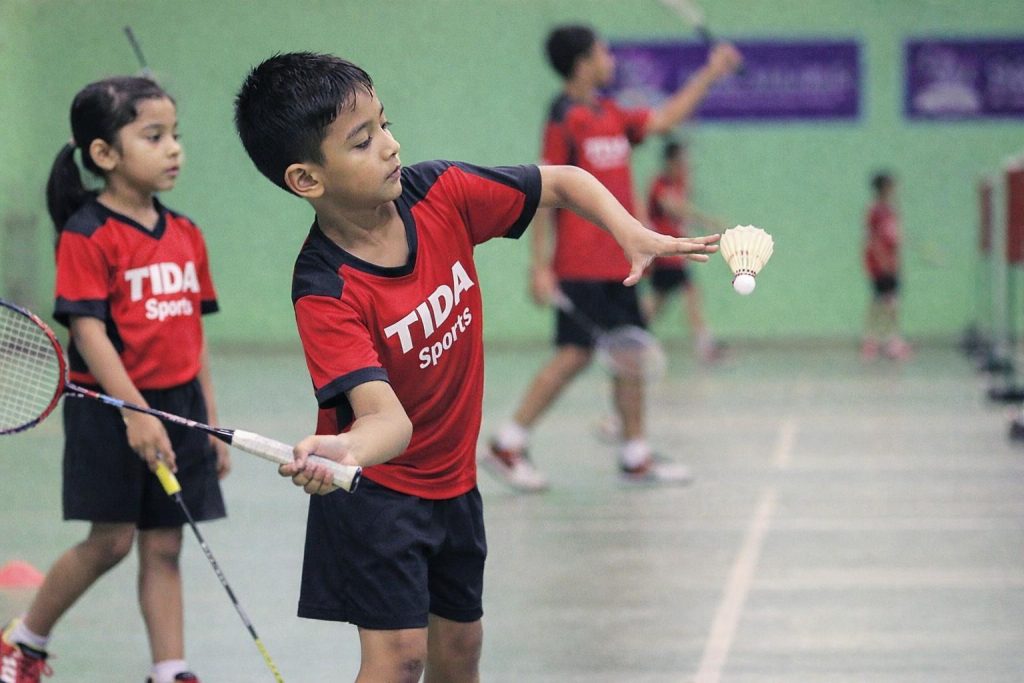
Badminton Tips

Badminton is one of the fastest and most exciting sports in India. It improves fitness, reflexes, focus, and confidence. Whether you are a beginner, school player, or advanced athlete, learning the right badminton tips can improve your performance quickly.

In 2026, modern badminton training focuses on footwork, stamina, shot accuracy, and mental strength. With regular practice and structured coaching, players can improve step by step. These badminton tips are helpful for kids, teenagers, and adults.

Basic Badminton Tips for Beginners

Strong basics are very important in badminton. Beginners should focus on learning the correct technique before playing fast rallies.

Essential Beginner Tips

  • Learn the correct racket grip
  • Maintain proper ready position
  • Keep your knees slightly bent
  • Watch the shuttle carefully
  • Practice simple clear shots
  • Focus on balance and movement

Do not rush to play powerful smashes. First, build strong fundamentals.

Footwork Tips for Faster Movement

Badminton Tips

Here are some of the best badminton academies in India: “Best Badminton Academies in India”

Footwork is the most important skill in badminton. Good footwork helps you reach the shuttle quickly and stay balanced.

Important Footwork Tips

  • Stay on your toes
  • Move lightly and quickly
  • Practice shadow drills daily
  • Take small, fast steps
  • Always return to center position
  • Improve side and back movement

Strong footwork improves speed, agility, and court coverage.

Smash Tips to Improve Power

The smash is one of the most powerful shots in badminton. But power comes from technique, not only strength.

Smash Improvement Tips

  • Use proper grip
  • Rotate your shoulder fully
  • Jump with balance
  • Hit the shuttle at highest point
  • Follow through after hitting
  • Practice timing regularly

Accuracy is more important than only hitting hard.

Badminton Defense Tips

Badminton Defense Tips

Good defense wins long rallies. Many players focus only on attack, but defense is equally important.

Defensive Tips

  • Stay ready in low position
  • React quickly to smashes
  • Use backhand defense properly
  • Control your return shots
  • Stay calm during fast rallies
  • Improve reflex training

Strong defense makes you a complete badminton player.

Net Play Tips for Better Control

Net play is very important in both singles and doubles badminton. It helps create winning opportunities.

Net Control Tips

  • Keep your racket up
  • Play soft net drops
  • Control shuttle height
  • Practice tight net shots
  • Anticipate opponent movement

Good net play gives you control of the rally.

Badminton Fitness Tips

Fitness plays a big role in badminton performance. Without stamina and strength, players get tired quickly.

Fitness Tips for Badminton Players

  • Do skipping for stamina
  • Practice agility ladder drills
  • Improve leg strength
  • Stretch regularly
  • Stay hydrated
  • Eat a balanced diet
  • Get proper rest

Good fitness improves speed, endurance, and performance.

Mental Tips for Badminton Players

Mental Tips for Badminton

Badminton is a fast game that requires strong focus. Mental strength helps players handle pressure.

Mental Strength Tips

  • Stay positive during rallies
  • Do not panic after mistakes
  • Focus on every point
  • Set small improvement goals
  • Learn from every match
  • Maintain discipline in training

Confidence and focus are key to success.

Doubles Badminton Tips

Doubles badminton is different from singles. It requires teamwork and coordination.

Doubles Improvement Tips

  • Communicate with your partner
  • Understand court rotation
  • Stay aggressive at the net
  • Avoid confusion during shots
  • Maintain quick reactions

Teamwork makes doubles successful.

Singles Badminton Tips

Requires more stamina and full court coverage.

Singles Training Tips

  • Improve endurance
  • Focus on consistent clears
  • Control rally pace
  • Develop strong footwork
  • Stay patient during long rallies

Singles badminton builds strong physical and mental strength.

Common Mistakes to Avoid

Common Mistakes to Avoid

Avoiding mistakes helps you improve faster.

Mistakes to Avoid

  • Wrong grip technique
  • Poor footwork
  • Ignoring fitness
  • Overusing smash
  • Lack of regular practice
  • Losing focus easily

Correcting small mistakes brings big improvement.

Advanced Badminton Tips

Players should focus on strategy and consistency.

Advanced Training Tips

  • Practice match simulations
  • Improve shot variation
  • Learn opponent analysis
  • Work on consistency
  • Improve weak areas
  • Train under professional coaching

Advanced training prepares players for competitive tournaments.

Final Thoughts

Badminton tips for all players focus on basics, footwork, fitness, discipline, and smart gameplay. Whether you are a beginner or advanced player, regular practice and proper training are the keys to success.

In 2026, structured badminton training is more scientific and performance-based. Players who work on technique, stamina, and mental strength perform better on the court. With dedication and consistent effort, anyone can become a confident and skilled badminton player.

FAQ – Best Badminton Tips

1. What are the best badminton tips for beginners?

Focus on grip, footwork, and basic clear shots.

2. How can I improve my smash power?

Practice proper technique, timing, and shoulder rotation.

3. Is fitness important in badminton?

Yes, stamina and agility are very important for performance.

4. How often should I practice badminton?

At least 4–5 days per week for steady improvement.

5. What is the most important skill in badminton?

Footwork is the most important skill.

6. Can kids start badminton early?

Yes, kids can start from a young age with proper coaching.

7. How to improve badminton defense?

Practice reflex drills and maintain low ready position.

8. What equipment is needed for badminton?

Racket, shuttlecock, proper shoes, and comfortable sportswear.

9. How to improve stamina for badminton?

Do cardio exercises, skipping, and endurance training.

10. How to become a better badminton player in 2026?

Follow structured training, improve fitness, practice regularly, and stay focused.

Looking to get started?

Visit TIDA sports center, visit TIDA sports website, or learn about academy sports football and athletic director training opportunities today! Let your child grow up with the world’s most popular sports – the right way.
Download App Links:

Posted on Leave a comment

Cricket Tips for All Players – Batting, Bowling & Fitness Guide

Cricket Tips

Cricket is one of the most loved sports in India. From kids playing in streets to professional players in stadiums, everyone enjoys cricket. Whether you are a beginner, school player, or advanced athlete, learning the right cricket tips can help you improve skills, fitness, and match performance.

In 2026, modern cricket training focuses on technique, discipline, fitness, and smart gameplay. With proper cricket coaching, regular practice, and structured training, players can improve batting, bowling, and fielding step by step. These cricket tips are useful for kids, teenagers, and adults who want to grow in cricket.

Basic Cricket Tips for Beginners

Starting with the basics is the most important step in cricket. Strong fundamentals help players become confident and skilled.

Essential Beginner Cricket Tips

  • Learn the correct batting stance
  • Hold the bat with proper grip
  • Watch the ball carefully
  • Practice basic defensive shots
  • Focus on hand-eye coordination
  • Start with tennis ball practice
  • Learn basic bowling action

Beginners should focus more on technique than power. Simple and regular practice builds a strong cricket foundation.

Cricket Batting Tips to Improve Performance

Cricket Batting Practice

Batting is one of the most exciting parts of cricket. Good batting requires focus, timing, and practice.

Top Batting Tips for All Players

  • Keep your eyes on the ball
  • Maintain a balanced stance
  • Play straight shots first
  • Practice timing instead of power
  • Improve footwork daily
  • Stay calm under pressure

Good batting technique helps players score more runs and stay longer at the crease.

Bowling Tips for Accuracy and Control

Bowling is not just about speed. Accuracy, control, and consistency are very important in cricket bowling.

Effective Bowling Tips

  • Maintain a smooth bowling action
  • Focus on line and length
  • Practice daily bowling drills
  • Strengthen arm and shoulder muscles
  • Stay balanced during run-up
  • Learn different bowling variations

Regular bowling practice helps improve control and match performance.

Fielding Tips for Better Game Impact

Fielding Tips

Fielding is a key part of cricket that many players ignore. Good fielding can change the result of a match.

Important Fielding Tips

  • Practice catching drills daily
  • Improve reaction speed
  • Stay alert on the field
  • Work on ground fielding skills
  • Throw the ball accurately
  • Maintain proper body posture

Strong fielding skills make players more valuable to the team.

Cricket Fitness Tips for All Age Groups

Fitness plays a major role in cricket performance. Without stamina and strength, players get tired quickly.

Cricket Fitness Improvement Tips

  • Do daily running for stamina
  • Practice agility drills
  • Improve flexibility with stretching
  • Eat a healthy balanced diet
  • Stay hydrated during practice
  • Get proper sleep and recovery
  • Include strength training exercises

Good fitness helps players perform better in long matches and tournaments.

Cricket Tips for Match Preparation

Cricket Tips for Match Preparation

Match preparation is as important as practice. Smart preparation improves confidence and performance.

Match Day Cricket Tips

  • Warm up before the match
  • Stay focused and calm
  • Follow team strategy
  • Observe opponent players
  • Play with discipline
  • Maintain positive attitude

Prepared players always perform better during real match situations.

Mental Tips for Cricket Players

Cricket is a game of patience and focus. Mental strength is very important for success.

Mental Strength Tips in Cricket

  • Stay confident during tough situations
  • Do not panic after mistakes
  • Learn from every match
  • Stay disciplined in training
  • Set small improvement goals
  • Focus on teamwork

A strong mindset helps players handle pressure and perform consistently.

Cricket Tips for Kids and Young Players

Cricket Tips for Kids and Young Players

Children should learn cricket in a fun and structured way. Proper cricket coaching for kids helps in overall development.

  • For kids, focus on basic skills, fun drills, and coordination.
  • For teenagers, focus on advanced batting, bowling, and fitness training.
  • For young athletes, structured cricket training and match exposure are very important.

Early cricket training supports long-term sports development and confidence building.

Common Mistakes to Avoid in Cricket

Many players make simple mistakes that slow their progress. Avoiding these mistakes can improve performance faster.

Mistakes to Avoid

  • Ignoring basic practice
  • Poor fitness and stamina
  • Wrong batting grip
  • Overconfidence during matches
  • Lack of regular training
  • Not listening to coaches

Fixing these mistakes helps players grow quickly in cricket.

Advanced Cricket Tips for Serious Players

Players should focus on strategy, technique, and consistency to reach the next level.

Advanced Training Tips

  • Practice match simulations
  • Improve shot selection
  • Learn game awareness
  • Analyze your performance
  • Work on consistency
  • Train under professional coaches

Advanced cricket training prepares players for competitive matches and tournaments.

Importance of Structured Cricket Training in 2026

Structured Cricket Training

In 2026, cricket training is more scientific and structured. Professional coaching, fitness programs, and skill-based drills help players improve faster. Modern cricket academies focus on overall development including technical skills, mental strength, and physical fitness.

Structured cricket training is especially important for kids and young players who want to build a strong sports career in India.

Final Thoughts

Cricket tips for all players focus on basics, fitness, discipline, and smart gameplay. Whether you are a beginner or an advanced player, regular practice, proper coaching, and a positive mindset are the keys to success in cricket.

By following the right cricket training tips, improving batting, bowling, and fielding skills, and maintaining good fitness, any player can become confident and perform better on the field. Consistency, patience, and structured training are the true secrets to becoming a better cricket player in 2026.

FAQ

1. What are the best cricket tips for beginners?

Focus on basic batting, bowling, and fielding skills with regular practice.

2. How can I improve my batting skills in cricket?

Practice timing, footwork, and shot selection daily.

3. How to bowl accurately in cricket?

Maintain proper action, focus on line and length, and practice regularly.

4. Is fitness important for cricket players?

Yes, stamina, strength, and agility are very important in cricket.

5. How often should I practice cricket?

At least 4–5 days a week for consistent improvement.

6. Can kids start cricket training early?

Yes, kids can start cricket training from a young age with basic coaching.

7. What equipment is needed for cricket practice?

Cricket bat, ball, gloves, pads, and proper sports shoes.

8. How to improve fielding skills in cricket?

Practice catching, throwing, and reaction drills regularly.

9. What is the most important skill in cricket?

Hand-eye coordination and timing are the most important skills.

10. How to become a better cricket player in 2026?

Follow structured training, improve fitness, practice daily, and learn match strategies.

Looking to get started?

Visit TIDA sports center, visit TIDA sports website, or learn about academy sports football and athletic director training opportunities today! Let your child grow up with the world’s most popular sports – the right way.
Download App Links:

Posted on Leave a comment

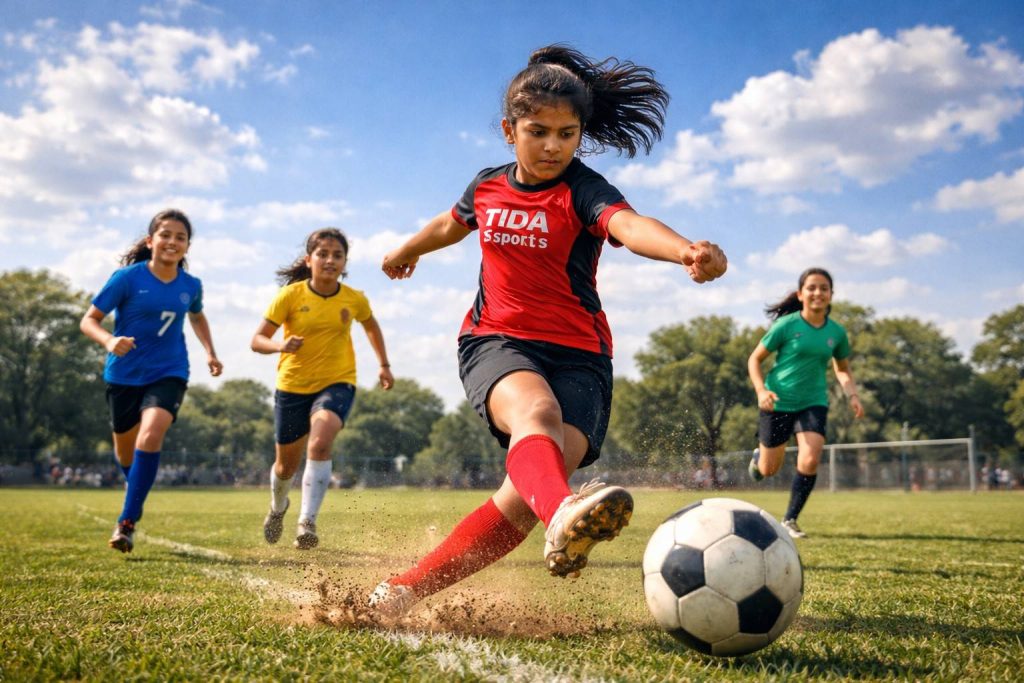
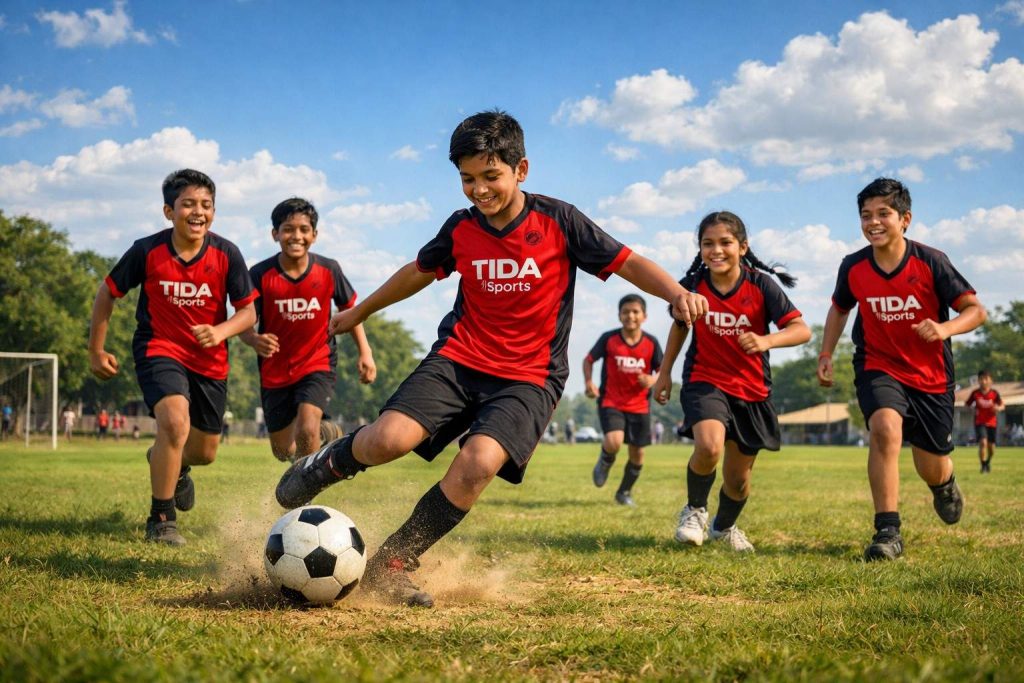
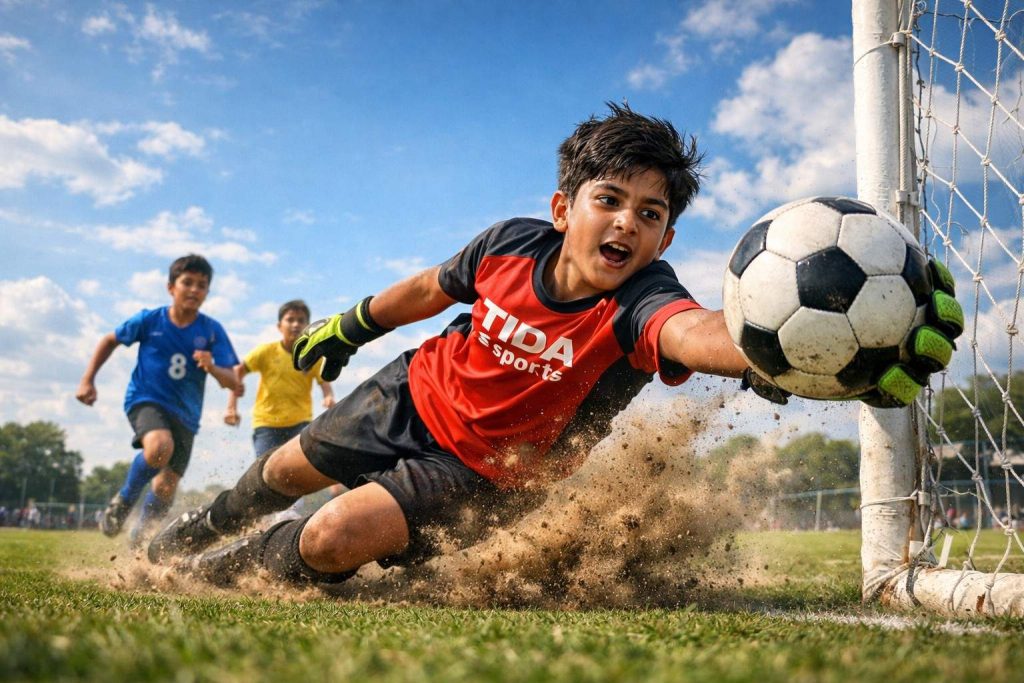
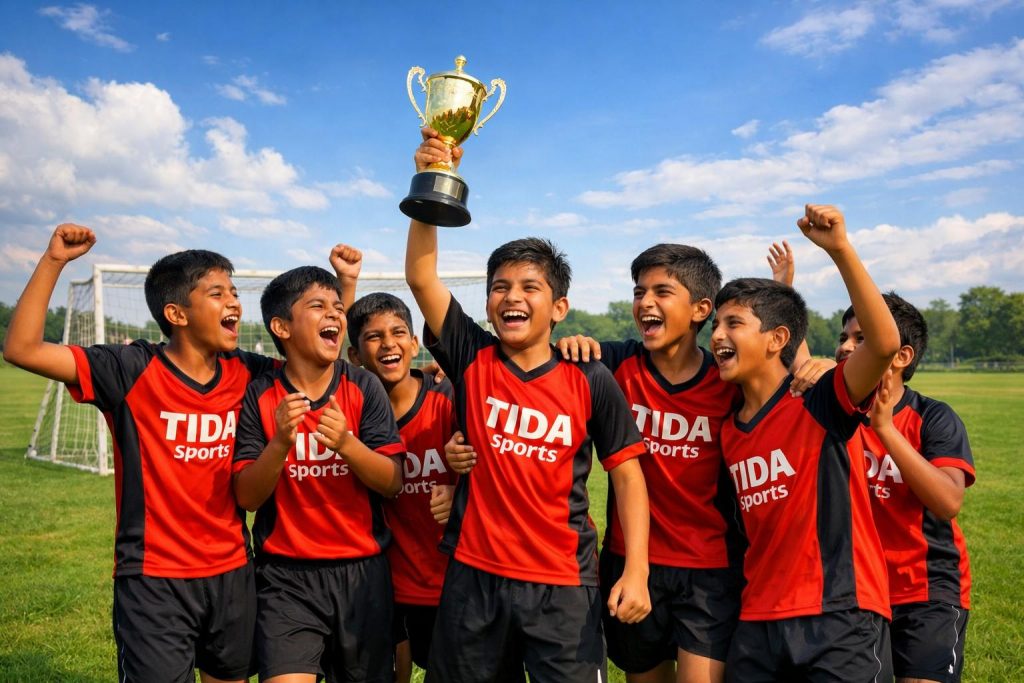
Football Tips for All Levels – Skills, Training & Fitness Guide

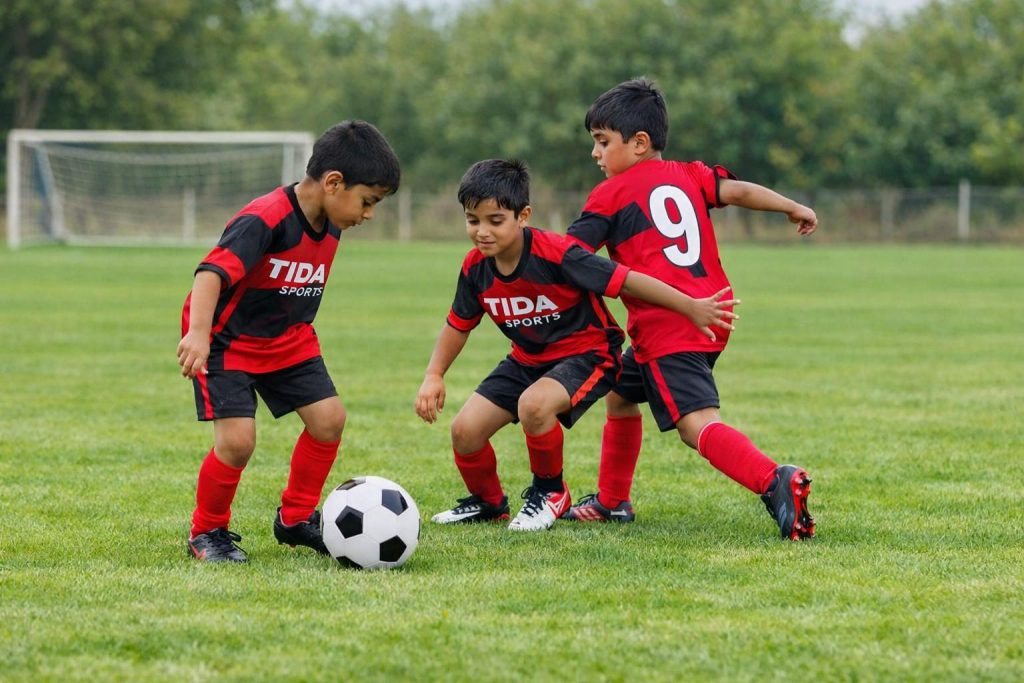
Football Tips

Football is one of the most popular sports in the world and loved by players of all ages. Whether you are a beginner, intermediate, or advanced player, learning the right football tips can improve your performance, fitness, and confidence on the field. In 2026, modern football training focuses on skill development, tactical awareness, stamina, and mental strength.

From kids starting their football journey to adults playing professionally, structured football practice and smart training techniques make a big difference. With the right football coaching tips, anyone can improve ball control, passing accuracy, speed, and overall gameplay.

Basic Football Tips for Beginners

If you are new to football, focusing on fundamentals is the most important step. Strong basics help players grow faster and avoid common mistakes.

Essential Beginner Football Tips

  • Learn proper ball control first
  • Practice short passing daily
  • Focus on dribbling with both feet
  • Keep your eyes on the field, not just the ball
  • Maintain proper body balance
  • Start with simple drills and exercises
  • Wear proper football shoes and gear

Beginners should focus more on technique than speed. A strong foundation leads to long-term football success.

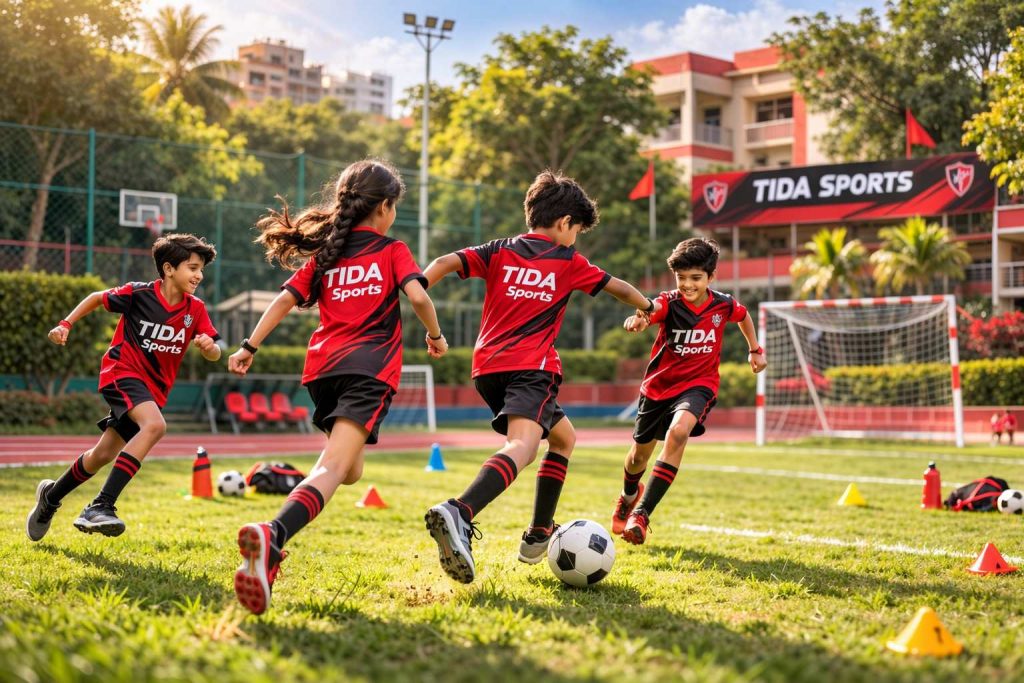
Football Training Tips to Improve Skills

Football Training Tips to Improve Skills

Here are some of the best football academies in India.

Regular and structured football training helps players improve faster. Consistency is the key to becoming a better football player.

Daily Skill Improvement Tips

  • Practice dribbling drills for 15–20 minutes
  • Work on first touch control
  • Do wall passing practice
  • Improve shooting accuracy with target drills
  • Practice cone drills for agility
  • Train both dominant and weak foot

Skill-based football training increases confidence and match performance.

Dribbling Tips for Better Ball Control

Dribbling is one of the most important football skills. Good dribbling helps players move past defenders and create scoring chances.

Smart Dribbling Tips

  • Keep the ball close to your feet
  • Use small touches instead of big kicks
  • Change direction quickly
  • Use body feints to confuse defenders
  • Practice zig-zag cone drills
  • Stay low for better balance

Consistent dribbling practice improves agility and control during matches.

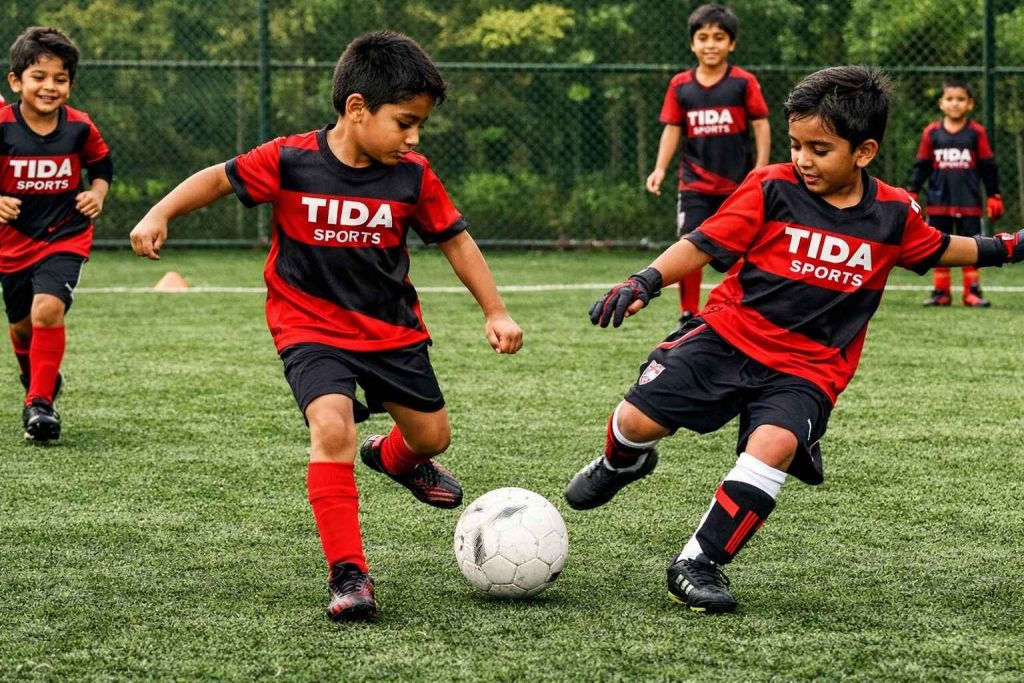
Passing Tips for Accurate Gameplay

Football Passing Tips

Passing is the backbone of team football. Accurate passing improves teamwork and ball possession.

Key Passing Tips for All Players

  • Use inside foot for short passes
  • Look before you pass
  • Communicate with teammates
  • Control the ball before passing
  • Practice one-touch passing drills
  • Maintain proper passing angle

Good passing skills make gameplay smoother and more effective.

Shooting Tips to Score More Goals

Every player wants to score goals, but proper shooting technique is essential.

Goal Scoring Tips

  • Focus on accuracy before power
  • Keep your head steady while shooting
  • Strike with the laces for power shots
  • Aim for corners of the goal
  • Practice finishing drills regularly
  • Time your shot correctly

Shooting practice improves confidence in real match situations.

Football Fitness Tips for All Age Groups

Football Fitness Tips

Here are some of the best football academies in India.

Fitness plays a major role in football performance. Without stamina and strength, skills cannot be used effectively during matches.

Important Football Fitness Tips

  • Do regular cardio training
  • Improve stamina with running drills
  • Strengthen leg muscles
  • Include flexibility exercises
  • Maintain a balanced diet
  • Stay hydrated during training
  • Get proper rest and recovery

Football fitness training helps players stay energetic throughout the game.

Defensive Football Tips for Strong Gameplay

Defense is just as important as attack in football. Strong defenders protect the team and stop goal opportunities.

Defensive Tips for Players

  • Maintain proper positioning
  • Watch the opponent’s movement
  • Avoid unnecessary tackles
  • Stay calm under pressure
  • Communicate with teammates
  • Practice interception drills

Smart defending improves overall team performance.

Football Tips for Match Performance

Training is important, but match awareness is equally essential. Players must understand game strategy and decision-making.

Match Day Football Tips

  • Warm up properly before the game
  • Stay focused and confident
  • Follow team strategy
  • Maintain discipline on the field
  • Avoid panic under pressure
  • Observe opponent tactics

Good match preparation leads to better results and performance.

Mental Tips for Football Players

Mental Tips for Football

Football is not only a physical sport but also a mental game. Strong mindset helps players perform better in competitive situations.

Mental Strength Tips

  • Stay positive during matches
  • Learn from mistakes
  • Build confidence through practice
  • Set realistic goals
  • Stay disciplined in training
  • Focus on continuous improvement

Mental toughness is a key factor in becoming a successful football player.

Common Mistakes to Avoid in Football

Many players make small mistakes that slow their progress. Avoiding these errors can improve performance quickly.

Mistakes Players Should Avoid

  • Ignoring basic skills practice
  • Not warming up before training
  • Over-dribbling instead of passing
  • Poor fitness and stamina
  • Lack of game awareness
  • Skipping regular practice

Correcting these mistakes helps players grow faster.

Football Tips for Kids, Teens, and Adults

Football training should be age-appropriate and structured. Different age groups require different training approaches.

  • For kids, focus on fun drills, coordination, and basic ball control.
  • For teenagers, focus on skill development, speed, and tactical learning.
  • For adults, focus on fitness, strategy, and advanced gameplay.

Structured football coaching ensures steady improvement at every level.

Final Thoughts

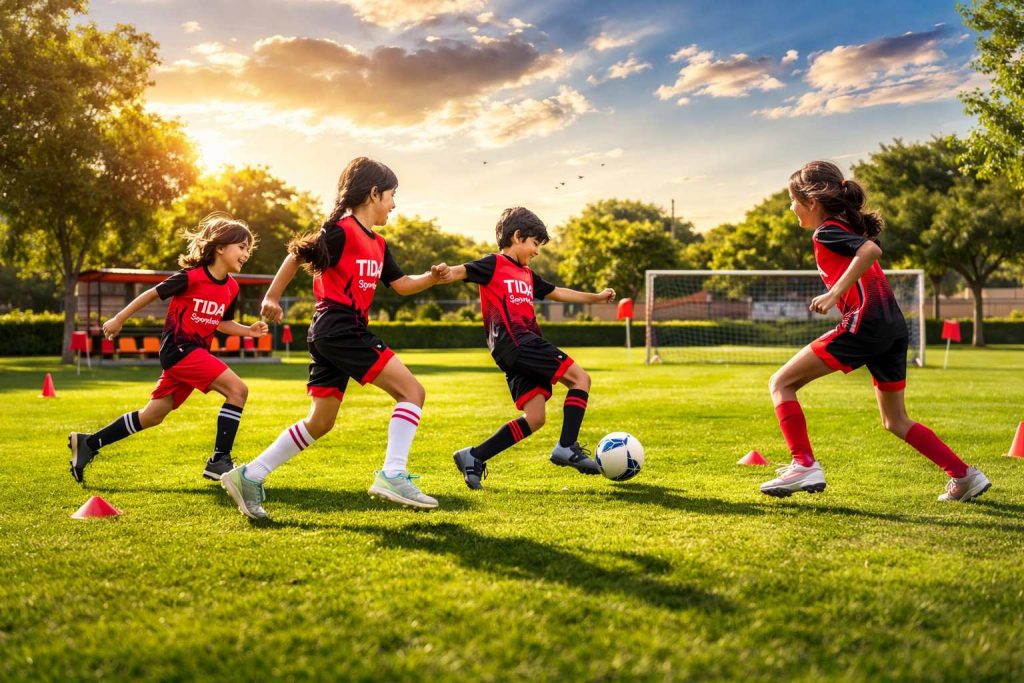
Football Tips for All

Football tips for all players focus on skill development, fitness, discipline, and smart gameplay. Whether you are a beginner or an advanced player, consistent football practice, proper training drills, and a strong mindset can help you improve quickly.

In 2026, modern football training is more structured and scientific. Players who follow regular practice routines, fitness training, and tactical learning perform better on the field. With dedication, discipline, and the right football tips, anyone can become a confident and skilled football player.

FAQFootball Tips for All Levels

1. What are the best football tips for beginners?

Focus on ball control, passing, dribbling, and basic fitness training.

2. How can I improve my football skills fast?

Practice daily drills, improve fitness, and follow structured football training.

3. Is fitness important in football?

Yes, stamina, strength, and agility are essential for football performance.

4. How often should I practice football?

At least 4–5 times per week for consistent improvement.

5. What is the most important skill in football?

Ball control and passing are the most important foundational skills.

6. How can kids start football training?

Kids can join beginner football coaching programs with basic drills and fun training.

7. How to improve football stamina?

Regular running, endurance drills, and cardio exercises help improve stamina.

8. Can adults learn football easily?

Yes, with regular practice and proper coaching, adults can learn football skills.

9. What equipment is needed for football training?

Football shoes, shin guards, proper jersey, and a quality football.

10. How to become a better football player in 2026?

Follow structured training, improve fitness, practice daily, and learn game strategies.

Looking to get started?

Visit TIDA sports center, visit TIDA sports website, or learn about academy sports football and athletic director training opportunities today! Let your child grow up with the world’s most popular sports – the right way.
Download App Links: